




| Dental Podcast Episode - The Dr. Phil Klein Dental Podcast | Listen on: |

|

|

|

|
and others. |
Episode 783: The Challenges of Being a Mom and a Dentist: A Candid Conversation with Dr. Christina Blacher
 |
How do you balance the rigorous demands of clinical dentistry with the life-changing responsibilities of motherhood? For many women in the profession, this question creates anxiety, guilt, and career uncertainty that's rarely discussed openly.
Our guest is Dr. Christina Blacher, a general dentist with 11 years of experience based in Frisco, Texas, and founder of Christina Blacher Consulting. Dr. Blacher is an Align Global Faculty member and international keynote speaker for Invisalign who has trained over 20,000 doctors worldwide and treatment plans over 2,000 ClinChecks annually. She has successfully transitioned from full-time general dentistry to exclusive clear aligner therapy while building a thriving consulting business and raising two young children.
This conversation explores the realities of maintaining a dental career while navigating early motherhood. Dr. Blacher shares her personal journey from working four days a week in general practice to becoming more successful after having children, despite initial concerns about career interruption. The discussion covers the unique challenges dental professionals face, including the absence of traditional maternity leave benefits and the mental load of managing both patient care and family responsibilities.
Episode Highlights:
- Female dentists often don't receive traditional maternity leave benefits since practice income depends on active clinical work, requiring creative solutions for maintaining practice revenue during recovery periods. Dr. Blacher developed her online consulting platform during maternity leave, creating content while her newborn slept beside her, demonstrating how career pivots can emerge from necessity.
- Clear aligner therapy offers significant practice advantages beyond orthodontic correction, particularly for ortho-restorative treatment planning where proper bite relationships prevent complications in cosmetic cases. Case selection remains critical for general practitioners, with the principle that no dentist has ever regretted referring a case they weren't comfortable managing.
- Effective support systems are essential for balancing clinical practice with motherhood, including outsourcing household tasks like cleaning, meal preparation, grocery shopping, and childcare assistance. Weekend help can provide quality family time without the stress of managing all domestic responsibilities simultaneously.
- Identity management becomes crucial when transitioning between high-functioning professional leadership roles and parenting demands, such as negotiating with toddlers over simple decisions. Developing techniques to reset your nervous system quickly benefits both patient interactions and family dynamics.
- Monthly therapy sessions provide valuable non-judgmental support for processing career stress, parenting challenges, and relationship dynamics. Professional mental health support helps maintain the emotional capacity needed to serve patients, manage staff, and nurture family relationships effectively.
Perfect for: Female dentists considering starting a family, mothers returning to practice, practice owners supporting team members through pregnancy and early parenthood, and any dental professional seeking work-life integration strategies.
Discover how motherhood can actually enhance your dental career rather than derail it.
Disclaimer
Viva Learning LLC sites offer content that include opinions, techniques, recommendations, etc. from a variety of writers and speakers that are not necessarily endorsed by Viva Learning LLC, its associates and sponsored Viva Affiliates. Viewers are responsible for verifying the validity, accuracy and relevance of all content before implementing any techniques, products or recommendations into their clinical setting. Viewers understand that Viva Learning LLC, its associates, writers, speakers and sponsored Viva Affiliates are not in any way responsible or liable for any adverse events that may occur (i.e., in a clinical setting or anywhere) based on any information disseminated from Viva Learning LLC sites, including all Viva Learning sites.
The copyrights and other rights to the slides and video contained in a webinar posted on this website are owned by the speaker, Viva Learning LLC, and/or the sponsor company and/or its subsidiaries worldwide. Viewers are only authorized to view the content of the webinar (live and archive) at this Website and are not permitted to screen capture, record and/or download any content displayed in this webinar. You may not make any part of this Website available as part of another web site whether by hyperlink framing on the Internet or otherwise.
The copyrights and other rights to the audio contained in a Viva Podcast are owned by Viva Learning LLC. Viewers are authorized to listen to the content of the podcast and are permitted to download any podcast for personal use only. You may not, however, make any part of this Website available as part of another web site whether by hyperlink framing on the Internet or otherwise.
By signing up for a free webinar and/or podcast you give Viva Learning LLC and/or its Viva Learning Affiliates permission to send you emails alerting you to future CE opportunities and e-learning content.
California State Dental Board Provider Statement
Viva Learning is a registered continuing education provider in the state of CA. Dental Board of CA Provider #RP 5747. Approved through 6/30/2026
Questions regarding our Conditions of Usage, Privacy Policy, or other policy related material can be directed to our support staff by clicking on the "Support" link or you can email us at: support@vivalearning.com.
Approval does not imply acceptance by any regulatory authority or AGD endorsement.
Approval period: 11/1/2025 - 10/31/2029. AGD Provider # 217544
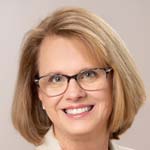
Presenter Information: Dr. Christina Blacher
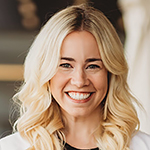 |
Dr. Christina Blacher is a general dentist based in Frisco, TX, and the founder of Christina Blacher Consulting. She is an Align Global Faculty member and international keynote speaker for Invisalign. Dr. Blacher has trained over 20k doctors around the world and treatment plans over 2k Invisalign ClinChecks a year for other doctors. Find her on Instagram @queenofinvisalign. |
Viva Learning is an approved AGD PACE Provider and California State Dental Board Provider of dental continuing education. Viva Learning strives to deliver balanced, objective and clinically relevant information grounded on scientific research. Lecturers who are invited to deliver Viva CE webinars are advised to substantiate their claims with research-supported data and to disclose all commitments to, or relationships with, any commercial entity within the dental industry. In many cases, lecturers are sponsored by a dental manufacturing company, which provides them with support in the form of honorarium and/or dental products and equipment in order to help with clinical presentations. Prior to each live CE webinar, lecturers are made aware of the importance of delivering their presentations without commercial bias, and where appropriate, to mention a variety of different product choices that may be relevant to the subject matter of the lecture, for the educational benefit of the participant.
Transcript
that so many women in dentistry quietly struggle with, but rarely talk about openly. As with many
professions, becoming a parent can completely change the way you view your career, your priorities,
your identity, and even your definition of success. This especially holds true for dentistry. The
pressure of balancing motherhood with the demands of clinical practice can push stress and burnout
to a whole new level. So today we're having a candid conversation about what that balancing act
really looks like and how women in dentistry are navigating motherhood while building and
maintaining a career they enjoy every single day. Our guest is Dr. Christina Blacher,
a general dentist based in Frisco, Texas, and the founder of Christina Blacher Consulting. She is
an Align global faculty member and international keynote speaker for Invisalign.
Before we get started, I'd like to thank all of you for tuning in. If you're enjoying the show,
please follow us on Apple Podcasts and Spotify, and even better, leave a review. By doing so,
you're not only showing support for what we do here, but your reviews are instrumental in getting
more dental professionals to listen and benefit from our content. We really do appreciate it.
Dr. Blacher, welcome to the show. Thanks, Phil. Happy to be here. So this is something new for our
show. We haven't talked too much about this topic, so I'm glad you're here to give us your
perspective. So when you first became a mother, how many days a week were you working as a dentist?
And did you worry about how you were going to balance the demands of dentistry with the demands of
parenting? Yeah. So let me give you a little background. I've been a general dentist for 11 years
now, and I had my own private practice full-time, four days a week. was just,
you know, doing my normal general dentistry thing. And I actually became really successful with
Invisalign before I had kids. And so it led me to start teaching for Align and speaking. And so I
knew I didn't want to be clinical full-time forever, but I started teaching and figured out that
teaching is my passion. So I started to cut down my clinical days.
And then in 2023, I had my son and I had him at 35 weeks. And so he came.
He came really, really far in advance. I actually had to cancel events that I had that week,
and he was in the NICU for a couple weeks. But I will tell you, I was really worried at first
having kids was going to kind of interrupt my career, I guess I should say. And this is something
that not many women talk about because I was worried that people aren't going to ask me to do
events anymore. I'm not going to be as busy because I'm going to have to focus on my kids. But I'll
be honest with you, Phil. became more successful after i had kids now how did that happen i mean
because i know what it was like to raise two kids of course my wife my wife did most of the work
yeah i'll give her credit for that for sure but it was a full-time job and dentistry ain't easy
and that's no you were invisalign person you you were just doing a ton of those cases you you
weren't yeah i was doing all general dentistry and then when i found my passion in invisalign i
wanted to kind of do invisalign only so it all kind of happened at the same time when you had your
son right what changed my son was my first child and then I had my daughter a year ago next week so
how did you keep up the dentistry in the early part it was tough for sure here's something that not
many people know outside of dentistry is you don't really get a maternity leave with dentistry like
if you're not in the practice you're not making money and so you We're all under stress to like,
okay, keep the office running, keep the books running, making sure your, your team's getting paid
and not many dentists take a full maternity leave, which, which is hard. I kept,
I mean, I kept working remotely as much as I possibly could doing teaching and webinars and things
like that. But I will tell you when I had my son, it actually led me to start my consulting
business because I traveled every week leading up to the birth of my son. And I,
I'm always on the road doing events. And so I actually realized that I can't be everywhere all at
once. And so I actually created online content through an LMS platform of my own. It's called Dr.
Christina Blacher Consulting. And I basically put all of my content online. And the funny part was
I did that during my maternity leave with my son. And so what most people don't know is he was
laying there next to me as I'm creating all this content. Okay, so you had an exceptional
opportunity to work from home. But when we're talking about a woman who...
becomes a mother, the mother is a life support system of that child for a good bit of months. They
can't, they obviously have to take some maternity time, right? I mean, you can't go to work and
work a rigorous general dentistry day when you have a newborn. So what would you,
what kind of advice would you give female dentists who are thinking about starting a family, but
are worried about how it could affect their career or personal life? Yeah, I will tell you,
don't stress about it because It will all work itself out, whatever it may look like. Maybe it's
not working full time anymore. Maybe it still is. I still love what I do. And so I,
I just became more intentional after I had kids. And so I, like I said, I actually became more
successful. And I know many female mother dentists that can say the exact same thing is they
actually became more successful after they had kids because you just do things more intentionally
because you had to change direction from clinical dentistry. I changed. I did. I changed direction.
Not everybody could start a consulting firm and do the things you're doing,
traveling around and speaking. So for the regular, I wouldn't say regular, and I don't mean that in
any way where they're not exceptional or in their own way, but for the female dentist who wants to
remain a clinical dentist, they'll need to take some time on their own, right? for a period of
months, and then they have to balance clinical dentistry with raising their child. So if you were
in front of a group of women similar to what I just described, what advice would you give them?
Yeah, I would say rely on your support system. We are always so guilty of things.
Like I'm, I still get guilty as I'm sitting on an airplane and my kids, my daycare is calling
because my kid has a fever and I can't be there to pick them up. And so like, we're always going to
be guilty about something, just carrying that, like whether it's, you can't be there to be there
full time or you have a practice to support and it's okay to rely on other people.
I think they say that you need a village, but you truly do need people in your life that you can.
support whether that's family members babysitters nannies don't ever feel ashamed for getting the
extra help because we're not meant to do it all we're not and so i am a big believer in getting the
support system that you need we often talk about how emotionally and physically demanding dentistry
can be now you balanced it right you added motherhood into the equation you have your own business
you travel and you lecture what do you think some of the important things we should keep in mind as
female dentists when motherhood hits us and we realize okay we have a big responsibility at home
but we want to keep our practice going what kind of attitude or uh just outlook and mental
awareness you know mindset i should say what kind of mindset are we talking about to keep
everything sane where it doesn't get out of control i'm a big believer in like know that you're not
alone every mother dentist is dealing with the same things and it's like going to work is not a
break for us. Like we go to work, but then we're still worrying about like, what's for dinner? What
do we have to order on Amazon? Who's got to be picked up for what activity? Who's got, who's like,
what do we have to plan for school? And it's so funny because like we, we juggle it. There is no
such thing as balance. In my opinion, Phil, it's like, we're, we're, we're usually either focused
on one thing or focused on the other. Um, the one thing I will tell you that motherhood really
taught me was one, how to set boundaries, how to say no. I actually got more confident in like my
patient experiences because. i i learned that like if you don't take care of yourself first you're
you're not gonna be able to give into others and so like i actually started therapy after i had my
son because we went through a pretty traumatic event and i think every mom should should have a
therapist or somebody to talk to because You can't fill from an empty cup. You have to take care of
yourself first in order to pour into your patients, to your staff, your team members, to your
colleagues, anybody that's around you. And so the biggest thing is you're not alone. There's no
such thing as balance. And you are going to carry that mental load. Sometimes you give more to your
career than you do to your kids. Sometimes you give more to your kids and you feel guilty for not
giving enough to your career. And it's something that we just all deal with. And it's totally
normal. So with your experience, and you've mentored quite a number of women that are in the
situation of starting a family and also wanting to maintain their career, and they inform the
dentist owner of the practice what their plans are. What does that discussion typically look like?
It depends. So I'll give my sister as an example. My sister just had a kid a couple months ago.
And she's a dentist and she's an associate in a practice. And she, her whole pregnancy was telling
her practice. I'm going to be back. I'm going to be back in two months. I'm going to be back full
time. Don't give up my spot. And she like, obviously was worried about that. And I told her, I
said, just wait because your priorities might change when you have a baby. And she's like, they're
not going to change. I know what I want. I want to be full time. And then a month into her having
her little girl, she's like. i think i want to go to part-time now and i said that's okay your
priorities sometimes shift when you become a mom and you get to decide what you want to do whether
you're an associate in a dsl or even if you're an owner it is perfectly okay if your priorities
change once you have a family so what do you recommend the lead time to be as far as notifying your
employer about your plans to have a family yeah i would say as far in advance as you possibly can
give but keep in mind a lot of our team members i had assistants that were scared to tell me they
were pregnant because they thought they were gonna you know be replaced or be not as valuable but
obviously going through having children and becoming a mom on my own i'm actually way more
empathetic now especially to team members and other doctors especially with planning because we
know that as much as we want to plan sometimes Things happen. And so we want to try to plan for it
as much in advance as we possibly can, but then also have the backup plans there too. I want to ask
you about getting extra help for the female dentist in this case. Now, I'm a firm believer that the
more that's on your plate, the more you get done, but up to a point. And when it comes to the
responsibility of having a child and also working in a dental practice, to do both.
There's no way that's going to be possible without having extra help. So talk to us about that,
how important it is to get extra help, what kind of help. And I guess it varies from family to
family, but give us an idea of what that's about. Well, I will say my husband's an ended honest, so
he works full time. And so I would say. outsource as many things as possible and it could be
outsourcing somebody cleaning your house somebody you know doing groceries like online ordering it
could be somebody watching kids whatever it may be outsource as much as you possibly what do you
outsource i outsource almost as many things as I can so I can give my children the love and
attention. So I have a cleaner. I have lawn service. I have pool service. I have somebody who comes
and meal preps for me once a week and I don't have to buy the groceries and it's so nice. Oh, so
they shop too. They do. Yes. Um, I know I have a friend who has a nanny come at 6am every morning
just because the mornings are chaos. And so it's like, she gets to actually wake up, have her
coffee, enjoy her time with her kids and not have to be running around, you know, packing lunches
and doing all that kind of stuff. And so whatever it may look like, I have help every weekend. And
it's funny because This is something people probably judge me for. My neighbors probably see I have
a car at my house every weekend. I have full-time help on the weekends. However,
I am with my kids that entire time. But I have somebody helping change diapers, handle meltdowns,
and I get to just sit and play and be with my kids. And so I just like having that extra support.
You need to have the resources for that. However, if it's a trade-off between working more as a
dentist, and having that quality time with your kid or your kids because you have the extra help
like you described, then you really have to say, yeah, I'm perfectly fine with spending the money
on this because I'm going to be allowing myself to work more days in the dental practice. So again,
this is a priority-driven strategy that the female dentist has to decide with their husband,
I assume, and say, how do we want to go about this? Nothing's easy.
I mean, a marriage is difficult at times, more than at times. Sometimes it's more difficult than
not. And anybody that says that it's just a free sailing, you know, dream is exaggerating.
Let's put it that way. It's all worth it, though, as long as you keep in mind that you have to work
at things. And I think you have to work at this, too, because you're like running a little company
at home. Besides your consulting company, you're actually running a family and that requires a lot
of good decisions along the way. Yeah, I actually saw something on Instagram the other week and it
was like, it was talking about identity whiplash. It's like we go from being high functioning,
career minded women, owners of dental practices, running the show, being a leader to like identity
whiplash, coming home and arguing with a toddler over what color cup he wants to drink out of. And
it's like, we have to learn to like shut it off. I will tell you though. becoming a mom has taught
me to like reset my nervous system really quickly which helps in dentistry because a lot of us will
walk out of an operatory because of whatever interaction we have with a patient you have to walk
into the next operatory like nothing happened and it's funny because i've learned how to do that
more since having kids because i've got to learn to deal with meltdowns and i've got to learn to
deal with toddlers right now and um i learned to like kind of reset my nervous system quickly so
that is very important now how much time do you spend on yourself whether it's a sport or
recreation whether it's yoga what do you do for yourself where you're not around your kids you're
not around your work because we all need to have that reset time and sometimes there's this and
sometimes we sacrifice that time because we need that time for something else and then it never
happens and never have and that's where we run into trouble what are your thoughts on that Yeah.
Always, always take time for yourself. And trust me, I feel guilty doing it. Sometimes I like go to
Pilates and I've got a hundred clinchecks waiting for me that people are waiting for me to do. And
I'm like, you know what? But I need this hour for myself. Like I said, I go to therapy and I,
I love it. I love just having somebody to talk to about like, what's going through my brain.
Somebody who's nonjudgmental and not my spouse. And so how often is that therapy? Once a month,
once a month for an hour. yeah yeah and it's just really nice to sit and talk to somebody and I'll
be like my husband's driving me crazy this is what he said today and like she's just is like a
sounding board for me or I'll say like my toddler like has an issue with going into the pantry he
wants snacks every hour of the day and so she'll give me like parenting advice and and that kind of
stuff but yeah listen you married an endodontist I'm an endodontist so if my wife I didn't know
that. Yes, I am an endodontist. Yes, I'm not practicing. But yeah, that's our listeners know it
because I bring it up every once in a while. And I enjoy being an endodontist. It was a great
profession. We I didn't get full use of all the extravagant visual aids that we have today,
like the microscope. And but I did get some mechanical instrumentation stuff. So I had some. course
i didn't have cbct that would have been really nice um i i go to some endodontic offices and i look
at their cbct films and i go oh my gosh this is oh yes you would love his office yeah yeah it's so
high it's just i mean it's such an advantage compared to what we have had in 2d we used to struggle
with all sorts of things because we just didn't have the visual capacity with 2d but we're getting
into the technical side of it but the marriage side of it Yeah. For all those women who are married
to an endodontist. We should start a club. Yeah. Christina is right on target. Yeah.
My husband's driving me crazy. Yeah. here's phil you'll you'll probably relate to this because my
husband will come home and like my husband are great but my husband will come home and he'll be
like i'm so tired i worked so hard today and sometimes we get in we get in arguments like who
worked harder but it's like he doesn't have the mental capacity because it's such a laser focused
like micro surgery type of career that like then he comes home and he's like you just did clean
checks all day and i'm like no i also worked hard and i'm dealing with the kids and everything yeah
i mean it's understandable for a dentist or anybody to come home to their spouse and i hate to
use the word complain but that's what they're doing essentially but they love you and they feel
like they could you know really trust the conversation with you Right. But on the other hand,
they have to realize, though, that you had a tough day, too, and you can't just be a sounding board
for complaints, right? You can't be absorbing this stuff all day because it... affects your
happiness as well because no one wants to hear about someone else's issues all day long and and and
then after they tell you everything they feel better but you just sat through 20 minutes of it so
yeah we got to be careful and that's just learning i'm very self-aware so like i i know when i'm
feeling a certain way or when he's feeling a certain way we have good communication techniques um
but that's really important so as we get to the bottom half of this program i want to ask you about
your experience working with dental companies and your contribution to the profession from the
industry side. I think there are a lot of women out there who are practicing dentistry who may have
a new child that wants to expand their horizon and pick up a microphone and share their knowledge
and expertise with their colleagues. Like you said, the intellect talking to a six-month-old
versus talking to another dentist is quite different. But one of the things you need to do to
become a speaker, and a mentor is to kind of partner with the right dental companies because
they're the ones that have the intellectual property behind the products and you know they pay you
to do this but you're one that has a great deal of integrity and only speaks on products that you
feel work for you that you've tried in your office that really service your patients in a positive
way so you have to maintain that integrity but tell us about the opportunities and the benefit of
working with good companies, good dental companies to start off or kick off a career in speaking,
which is, like I mentioned, a great outlet and another way of expanding your career,
especially as a woman dentist. Yeah. So like you said, I would never work with a company if I
didn't believe in what they were doing. am an organic user always. So like an example I'll give you
is obviously I work heavily with Align. That's like my, my full-time passion, but I also, I'm a
key opinion leader for Ivoclar and I've been in Ivoclar. organic user since I was in dental school,
believe it or not. And so I love their products so much. And so when the opportunity came to
partner with them and be a KOL, I jumped at it. Number one, because they're an amazing company.
They have great people and they really support me as a mom and a female in dentistry specifically.
How is that? Give us an example of how they support you. Yeah. I mean, we've, I've, I've been up to
Buffalo. I've done some recordings for them, made some content for them, but they've always been
super supportive of like, you know, work-life balance, your family comes first, always like, you
know, going around my schedule and being supportive of whatever decisions I want to do and what I
want to make. And so, um, I just wanted to give them a little shout out because they, they've
always been that for me. What have you found to be very successful restoratively with Ivoclar?
I use a lot of their, so a lot of their like ortho workflow. I will say the Viva Pen.
So Adhuse Universal is my all-time favorite from them because I use it with attachments with
Misalign, Opturgate, can't live without that. And that's for isolation,
the Opturgate. Isolation, yep, their composites. I use both their Flowable and Packable, Tetric,
their Tetric Aligner and Tetric EvoFlow. So more on the ortho side. More on the ortho side,
but obviously they have an amazing, amazing repertory of products for restorative. So do you do...
aligner therapy exclusively now? Now I do. Yeah. So I am an, I mean, I'm a normal general dentist.
And once I fell in love with Invisalign, I, I started teaching Invisalign and I got the opportunity
to cut down my practice days and go to Invisalign exclusively. And I will say after becoming a mom,
I learned to pick what makes me happy. And honestly, for even those people who aren't a mother or a
parent out there, just if you want to be happy in dentistry, do the things that make you happy. If
there's something that really Doesn't make you happy for me. It's root canals. I've never done a
root canal in my career. Your last root canal was in dental school? Yeah, my last root canal was
probably my boards. Wow. Oh, we didn't have a root canal on our boards. We had like the typodonts.
Oh, wow. We did not have that. Yeah, that's interesting. No, that's probably the last root canal I
did. And you want to know what's really funny, Phil? When I was an associate and I was interviewing
for associate positions when I was a young dentist, I was upfront and honest. Two practice owners.
There was one here in Dallas. And I said, I just want to let you know, I don't do root canals. I'm
actually married to an endodontist. I just don't feel comfortable with my abilities. And he does it
better than me. And they did not give me the job because of that. And at first I was upset because
I was like, oh, I didn't get that job I really wanted. But then I was like, you know what? You have
to be confident in what you want to do and what you don't want to do. And don't sacrifice your own
happiness just to, you know, do something that you're not willing to do. Yeah. So it worked out
better for you. The clear aligner therapy, the big thing that I'm hearing, and I haven't done any
because I'm at Viva Learning and I'm doing podcasting, but what I have heard from really smart
orthodontists is that case selection is really critical for the GP. You could do quite a bit within
clear aligner therapy within your realm of expertise as long as you control what cases you pick.
Do you find that to be true? Yes, 100%. I find there's so many doctors out there that just want to
close the case that they don't even think about what they're closing and then they get into a hard
situation. And so it's always knowing your case selection, what you're comfortable with, what
you're not comfortable with. And honestly, no dentist has ever regretted referring a case. People
regret keeping cases all the time. And so you have to be confident in that as well. Sometimes I
tell somebody, you know what? No, I don't think this is going to be a good case for me to do. I'm
feeling perfectly fine with that. so in addition to case selection which is very important we also
have to be aware of collateral damage from the actual aligners The patient's teeth are getting
straighter, for instance, but things are happening on the side that may not be favorable. You've
done hundreds of cases or thousands. I don't know how many. Yeah. So how long did it take you to
get to the point where you can actually discern things going on here that I have to intercept?
Because you'd have to do that yourself. You can't really rely on the software algorithm to fix all
the problems, right? No, you definitely cannot. The algorithm is just giving you an algorithm and
you are a dentist and you know what's possible and it's not possible. Or maybe you don't. And ask
any of us who are up there speaking how we learned. It's because we all made mistakes and we all
had to learn through that. And so it took me several years and several mistakes in my own cases,
obviously taking advanced courses and education for me to truly feel confident in that. That's what
I teach. I try to teach, you know, especially the software, how to set up cases for predictability
so doctors don't have to make as many mistakes as I did. Did you ever think that clear aligner
therapy would take off the way it did? I mean, it continues to grow. Demographically, you see
patients in their 70s in the ortho office sitting with a, you know, a 12 year old.
And some of my friends are orthodontists say they treat more people over 60 than they do kids
anymore. I mean, it's just crazy stuff. Yeah, well, everything I do for ortho is all functional and
clinical, and the aesthetics are just a bonus. And so when you shift your mindset into seeing that,
you diagnose more, you refer more, and you'll see most people need it. And one of the huge benefits
to the practice, of course, with clear aligner therapy is that after it's completed, the patient is
like gung-ho to the next step. Let's get these teeth to look beautiful now that they're straight.
Yeah, 100%. Ortho-restorative is so important, and it's something that I feel like we all missed
back... like even five, 10 years ago. And so you only have to put on a beautiful veneer case for it
to pop off for you to realize your bite's in the wrong spot. And so yes, planning ortho restorative
cases is what's- I know we got off topic. We got off a little topic of our motherhood. It's fine,
we went from being a mom to Invisalign, but I can talk about any of this. Yeah, so we have about
four minutes left. You certainly made some really good points in this conversation related to
having a child and trying to keep a career going as a dentist for a female. Any closing thoughts?
Before we wrap it up. Yeah, it is. perfectly okay for you to love being a mom,
but for you also to love having a career and you don't have to pick one over the other.
It is perfectly fine for you to be nervous having kids and thinking they're going to intercept your
career somehow. And that is okay too. We can do it all. It may look different from day to day,
but you can, and you can find the support systems. You can, you are able to do both and still live
a happy and fulfilled life, whatever that may look like. I, truly found my happiness and my passion
when I had my kids and it's led me to a very successful career so whatever that decision looks like
just know that you will be successful you will be happy happy you'll be able to to live your life
yeah and make sure you have someone help you with the laundry right yeah yeah don't don't expect to
do all the cleaning the laundry yourself because that ain't that's not going to work you can't
right okay so at queen of Invisalign is your Instagram. That's my Instagram. Yep.
And you can also find me on my website, drchristinablacher.com. Right. And Dr. Blacher is spelled
B-L-A-C-H-E-R. And it's Christina. So it's drblacher.com.
And Instagram is at queen of Invisalign. Great stuff. I'm really glad you came out here to talk to
us about something that we have never talked about. You know, that's... what you would call a
watershed situation, right? When you shift from being a regular person and then you become a
mother, that's a totally different type of responsibility. You're not only taking care of yourself
and your husband, or if you have one, you've got a child there and it's a completely different.
experience emotionally and physically demanding and so forth so to balance everything is really
important so I think this conversation helped us do that or will help us do that um tell your
husband I sympathize with any issues he has with his endodontic days that are difficult i went
through too so we all we're all sharing that together all right thank you so much
 Episode 787. Clinical Pearls for Esthetic Composite Dentistry: Material Selection, Cutback Technique, Occlusion and More
7/20/2026 - CE Credits: 0.5 CEU (Take Exam)
Episode 783. The Challenges of Being a Mom and a Dentist: A Candid Conversation with Dr. Christina Blacher
7/6/2026 - CE Credits: 0.5 CEU (Take Exam)
Episode 779. Inside a High-Tech Dental Practice: Digital Workflows, AI, and Clinical Precision
6/22/2026 - CE Credits: 0.5 CEU (Take Exam)
Episode 717. Veneer Success Simplified: Invaluable Tips from NYC Prosthodontist Dr. Graziano Giglio
11/3/2025 - CE Credits: 0.5 CEU (Take Exam)
Episode 713. From Blocks to Furnace: Unlocking Same-Day Zirconia Success
10/20/2025 - CE Credits: 0.5 CEU (Take Exam)