

| Dental Podcast Episode - The Dr. Phil Klein Dental Podcast | Listen on: |

|

|

|

|
and others. |
Episode 799: Dentistry Meets Wellness: The Chairside Conversation That Could Change a Life
 |
What if your dental chair is actually one of the most powerful wellness intervention points in a patient's entire healthcare journey? Most dental professionals spend more face time with their patients each year than any other clinician — yet too many are leaving that opportunity completely untapped.
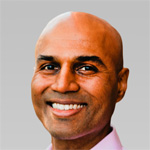
Dr. Uche Odiatu, DMD, is a practicing dentist in Toronto, author of The Miracle of Health and Fit for the Love of It, and a professional member of the American College of Sports Medicine. He holds certifications as an NSCA Certified Personal Trainer, Certified Yoga Instructor, and Certified Boot Camp Instructor, and has delivered over 500 lectures across the United States, Canada, England, Denmark, Norway, Bermuda, and the Bahamas. He has presented at the American Dental Association Annual Session 14 times since 2006, making him one of the most recognized voices in dental wellness education.
In this episode, Dr. Odiatu and Dr. Phil Klein explore the mind-body-mouth connection and make a compelling case for why conversations about sleep, nutrition, obesity, stress, and exercise belong in the dental operatory. Drawing on current research in neuroscience, exercise science, gastroenterology, and sleep medicine, Dr. Odiatu offers a framework for how dental professionals can deliver high-impact wellness guidance in as little as 30 to 45 seconds chairside. The discussion reframes dental practice from a transactional model focused on procedures to a transformational model centered on patient health outcomes.
Episode Highlights:
- Brain-derived neurotrophic factor (BDNF) is elevated through regular physical exercise and plays a direct role in neuroplasticity and learning. This connection between movement and cognitive performance — intuited decades ago and now confirmed by neuroscience and psychiatry — forms the foundation of the mind-body-mouth framework discussed throughout the episode.
- A 2024 Journal of Obesity study found that over 90% of dental patients reported they would be comfortable having their dental provider discuss nutrition, weight management, and obesity chairside. Research also shows that obese patients — independent of smoking status and oral hygiene — demonstrate significantly greater loss of attachment, increased bleeding on probing, and tooth mobility, making weight a clinically relevant conversation in the periodontal assessment.
- Sleep quality is framed as a critical systemic health indicator that dentists are uniquely positioned to address. Patients presenting with daytime drowsiness, dry mouth, or morning headaches may benefit from referral for a formal sleep study, which can reveal not only apnea events but also deep sleep duration, blood pressure variability, and nocturnal hypoglycemic episodes — all factors that affect healing and overall systemic health.
- Approximately 95% of adults consume insufficient dietary fiber, averaging around 12 grams per day against a recommended minimum of 30 grams. Adequate fiber intake — both soluble and insoluble — supports the gut microbiome's production of short-chain fatty acids, which function as endogenous anti-inflammatories. Given that periodontitis, gingivitis, and most systemic diseases share an inflammatory pathophysiology, this has direct clinical relevance to the dental patient population.
- Power toothbrushes and water flossing devices represent a significant upgrade over manual oral hygiene tools, with powered brushing cited as dramatically more effective than manual brushing. For patients with implants, limited dexterity, or documented poor flossing compliance — estimated at approximately 95% of patients — chairside demonstration of proper water flosser technique, including lip seal around the tip, can dramatically improve home care adherence and protect restorative work.
Perfect for: General dentists, dental hygienists, and specialists looking to expand their clinical impact beyond the oral cavity — particularly those interested in integrating wellness conversations into recall exams, new patient appointments, and restorative consultations without adding significant chair time.
If you've ever wondered how to make your practice feel more meaningful while delivering measurably better patient outcomes, this episode gives you the science, the scripts, and the confidence to start tomorrow.
Disclaimer
Viva Learning LLC sites offer content that include opinions, techniques, recommendations, etc. from a variety of writers and speakers that are not necessarily endorsed by Viva Learning LLC, its associates and sponsored Viva Affiliates. Viewers are responsible for verifying the validity, accuracy and relevance of all content before implementing any techniques, products or recommendations into their clinical setting. Viewers understand that Viva Learning LLC, its associates, writers, speakers and sponsored Viva Affiliates are not in any way responsible or liable for any adverse events that may occur (i.e., in a clinical setting or anywhere) based on any information disseminated from Viva Learning LLC sites, including all Viva Learning sites.
The copyrights and other rights to the slides and video contained in a webinar posted on this website are owned by the speaker, Viva Learning LLC, and/or the sponsor company and/or its subsidiaries worldwide. Viewers are only authorized to view the content of the webinar (live and archive) at this Website and are not permitted to screen capture, record and/or download any content displayed in this webinar. You may not make any part of this Website available as part of another web site whether by hyperlink framing on the Internet or otherwise.
The copyrights and other rights to the audio contained in a Viva Podcast are owned by Viva Learning LLC. Viewers are authorized to listen to the content of the podcast and are permitted to download any podcast for personal use only. You may not, however, make any part of this Website available as part of another web site whether by hyperlink framing on the Internet or otherwise.
By signing up for a free webinar and/or podcast you give Viva Learning LLC and/or its Viva Learning Affiliates permission to send you emails alerting you to future CE opportunities and e-learning content.
California State Dental Board Provider Statement
Viva Learning is a registered continuing education provider in the state of CA. Dental Board of CA Provider #RP 5747. Approved through 6/30/2026
Questions regarding our Conditions of Usage, Privacy Policy, or other policy related material can be directed to our support staff by clicking on the "Support" link or you can email us at: support@vivalearning.com.
Approval does not imply acceptance by any regulatory authority or AGD endorsement.
Approval period: 11/1/2025 - 10/31/2029. AGD Provider # 217544
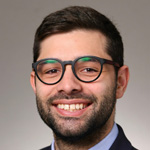
Presenter Information: Dr. Uche Odiatu
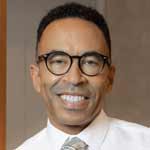 |
Dr. Uche Odiatu DMD is the author of The Miracle of Health, a professional member of the American College of Sports Medicine and a practicing dentist in Toronto. This busy health care professional is an NSCA Certified Personal Trainer, Certified Yoga Instructor, Certified Boot Camp Instructor and has given 500 plus lectures in England, Canada, the USA, the Bahamas, Denmark, Bermuda and Norway. He has lectured at the American Dental Association Annual session 14 times since 2006. www.DrUche.com Twitter @FitSpeakers Instagram @FitSpeakers |
Viva Learning is an approved AGD PACE Provider and California State Dental Board Provider of dental continuing education. Viva Learning strives to deliver balanced, objective and clinically relevant information grounded on scientific research. Lecturers who are invited to deliver Viva CE webinars are advised to substantiate their claims with research-supported data and to disclose all commitments to, or relationships with, any commercial entity within the dental industry. In many cases, lecturers are sponsored by a dental manufacturing company, which provides them with support in the form of honorarium and/or dental products and equipment in order to help with clinical presentations. Prior to each live CE webinar, lecturers are made aware of the importance of delivering their presentations without commercial bias, and where appropriate, to mention a variety of different product choices that may be relevant to the subject matter of the lecture, for the educational benefit of the participant.
Transcript
Sheila. It was Stephen. It was David. I saw him as an eight-year-old. I saw him as a dad.
I saw him as a grandfather. And so really, it's the conversations that make an elegant career.
They're not going to say on your tombstone, he did 32,000 crowns. Or you should have seen his
margins. No, that's a very good point. How was your day? I did four crowns. You know, the patient
today went for sleep study. I really think I saved a life. That is powerful. So start looking at
impact, and instead of looking at transactional, crown for crown, think of transformation. Taking
that extra time in a compassionate way is such a fulfilling part of being a dental professional.
Welcome to Austin, Texas, and welcome to the Dr. Phil Klein Dental Podcast. More and more research is
revealing just how closely oral health is connected to overall health, and that puts dental
professionals in a unique position. to help patients live healthier lives. In this episode,
we're joined by wellness and performance expert, Dr. Uchi Odiatu. In addition to being a practicing
dentist, Dr. Odiatu is an NSCA certified personal trainer, holistic lifestyle coach,
media personality, and co-author of two excellent books, both available on Amazon, The Miracle of
Health, Simple Solutions, Extraordinary Results, and Fit for the Love of It.
Together, we'll explore the powerful mind-body-mouth connection, discuss why dentists should feel
more confident talking about sleep, nutrition, stress, and exercise with their patients.
So if you're ready to expand your impact beyond the oral cavity, this is an episode you won't want
to miss. Before we get started, I'd like to thank all of you for tuning in. If you're enjoying the
show, please follow us on Apple Podcasts and Spotify, and even better, leave a review.
By doing so, you're not only showing support for what we do here, but your reviews are instrumental
in getting more dental professionals to listen and benefit from our content. We really do
appreciate it. Dr. Odiatu, welcome to the show. Hey, good to be here. Love chatting with you. We
are kindred spirits in this journey. Yes. Yeah, we're both very much into health. You know way more
than I do about the topic, but I've been following your advice over the years. The last time you
were on the show was, believe it or not, five years ago. We released a podcast in November of 2021.
I've meant to have you on the show for a while, but I'm really happy to have you here. I also want
to let our listeners know that you did a very good webinar, an excellent webinar. It was released
on Viva Learning on July 2nd. And, you know, you talk pretty quickly, so it's challenging to keep
up with you, but that's why they have the pause button on these things. But I recommend everybody
to really watch this. It's fascinating topics. It's called 50 Shades of Inflammation,
5-0, 50 Shades of Inflammation, the mouth-body-mind connection. You can access that webinar on
vivalearning.com. Just search in the search field, Odiatu, which is Dr.
Odiatu's last name. O-D-I-A-T-U. That's O-D-I-A-T-U.
I do want to thank our sponsor of this episode, Philips Oral Healthcare. Check out their amazing
Sonicare toothbrush and the Sonicare Power Flosser 7000 system.
Many of us do not use dental floss regularly, so this is a convenient and effective flossing
option. You can check it out by visiting their website at usa.philips.com.
So to get this one started, you often talk about the mind-body-mouth connection.
Give us a brief overview of what that means. And I know you can write a book on that, but for the
standpoint of just a brief overview and how it is relevant to us as dental clinicians.
It was a study of one. I think back in dental school, 30 odd years ago, everyone would leave the
clinic in second, third, fourth year and run to the study carols. And instead of running to the
study carols, I ran to the gym. And everyone thought, you're going to waste an hour and a half at
the gym. You're going to be behind us. We're going to get ahead of you. You're going to be the
bottom half of the class. But when I went to the gym, threw some weights around for 60 minutes, 80
minutes, I would come back. My mind would be alert. I would be on fire. They're like,
how many wake-up pills? How many caffeine pills? I said, none. And I said, there's something about
movement that wakes you up. And I would be going long and hard up to 11, 12 o'clock at night.
And everyone was like, how is this possible? And now, you know, this is back in the late 80s.
If you've got to look at now, year 2007, 2008, BDNF, which is brain drive nootrophic factor,
it's in high amounts in anyone who exercise. And this helps with neuroplasticity and learning.
They've actually known now that the only way to have more of it... is by doing exercise, regular
exercise. So there was no study back then. They didn't even know the term BDNF, brain-derived
neurotrophic factor. So this concept of moving and then being smarter is the mind-body connection.
So that now was intuitively made sense to me back in the late 80s. Now psychiatry and neuroscience
has caught up. So the mouth-body connection. You know, all disease begins in the gut, said
Hippocrates. The gateway to the gut is the mouth, because the gut goes from the mouth to the butt.
The only way you can get food in, unless you have a stoma, is through the mouth. So the healthier
your mouth, the better you can chew, the better your saliva, the more teeth you have, the healthier
your chewing function, the better I can break down the world, which is food, and it becomes my
meniscus. It becomes my bone. It becomes my mind. So that, in a nutshell, is the mouth-body-mind
connection. Everyone knows they're connected. But specialists study them in their own little silos.
I agree 100% with that. I think unless a dentist is working in a wellness practice with a focus on
the mind-body-mouth connection, I do think they're working in a silo. For example,
many dentists still hesitate to discuss with their patients the importance of getting a good
night's sleep, for instance, eating well, the importance of nutrition, reducing stress.
exercise and so forth, because they don't want to seem like they're stepping outside their
boundaries, they're stepping outside their expertise. So why do you think those conversations
actually belong in the dental operatory? Well, great question. The root word,
the Latin root of a doctor is teacher, guide. So we're not just looking at little holes and filling
them or making teeth shiny or making the gums tight. They trust us.
You know, they come to us for help. And for many times, people actually will spend more time with a
hygienist and dentist in a year than their main medical doctor or health care provider. So because
also we dentists take about 20 to 25 hours of nutrition in their four years of programming,
hygienists often do 25 hours. 25% of medical doctors have zero nutrition requirements to graduate.
And I read about that in How Not to Die by Michael Greger, a medical doctor. He went to Tufts
because I had 22 hours of nutrition. So it's well within a scope of practice to talk about food.
And as long as we've got to bring out a PowerPoint and have a laptop presentation, in the two
minutes they're waiting for anesthetic. 10 minutes that you're waiting for a crown to be 3D printed
while talking in the medical history update or the re-care exam.
That's when you start introducing the concept. And when you do it with conviction, it's very
convincing. And you can't do it with doubt and uncertainty. Talk about with the power of Billy
Graham and his 70s Christian Crusades, you know. And I would say when it comes to conversation,
if someone has doubt and uncertainty, it always surrenders to the level of conviction that we have.
So if we know it's within our scope of practice, we can talk about it with much more empowered
confidence, conviction, share side. It's amazing the level of transformation we can get in the
middle of a two minute recare exam as a dentist or in that hour, you know, initial new patient
exam. Like people look up to us and we have the stage share. knowledge. Yeah. So one of the doctors
that have been on the show before does a lot of dentures and she started to realize that some
patients tolerated the dentures very well and they healthfully use these dentures and they were
able to chew and they didn't develop sores and all sorts of things. But then there was another
group that didn't do very well with these dentures and she started to look into it further and
she... isolated to nutrition. So she came up with some formulary where she recommends to all her
denture patients a particular nutritional formulary that she says she's having great success with.
So that's a great example of appreciating the mouth-body connection in the dental setting. So
let's get into your practice, how you do things, Dr. Odiatu. Give us some examples of how you
discuss wellness with your patients. Tell us what kind of health changes you can make with the
patient. And has it strengthened your dentist-patient relationship over time?
There's nothing like caring about a patient and showing that in your compassionate conversation. I
think many times patients just expect us to talk about how their teeth are, how their gums are. And
if I found out when I come in to do a hygiene checkup that a patient's falling asleep during the
hygiene, the patient or the 40-year-old bank manager will say, oh, I'm a little tired. I said,
it's not normal to fall asleep at 10.30 in the morning. What's going on? You know, my medical
doctor said I need a sleep study. I've ignored it. I don't have time. And I said, you don't have
time not to. And hygienist said, yeah, I told him sleep study is important. I said, you know, if
you don't sleep well, it's putting you at risk for accelerated aging and possible dementia. I said,
the brain only heals at nighttime. The thing called the glymphatic system. I don't maybe get into
the science, but when I start talking about with conviction and they see that I might be older than
them. or if I'll actually also mention a book they might want to share, they said, Doc, if you're
into it that much, I'm going to go back and I'll tell my medical doctor I'm getting a sleep study.
So now they've got third-party endorsement of the sleep study. And as much as that individual
hygiene appointment's important, having a patient get a sleep study, and I almost say it's like
your brain's report card, because it's not just... no apnea. It literally tells you how much deep
sleep you're getting, which tells me how much you're healing your soft tissue in your muscles. It
tells me how much you're dreaming, which tells me how much emotionally regulation you have. How
much your blood pressure goes up and down. Do you have any hypoglycemic attacks? So that alone
makes me feel like I've made an inroad. So, okay, the person booked, maybe they booked a crown for
a large filling. But if I know he or she's going to get a sleep study, I'm like, yes, that's a
powerful. positive influence in that person's identity. And if they get a handle on their sleep and
they become a master sleeper, that's possibly another decade of good living. And that's done in a
two-minute re-care exam. So concise conviction, share a book idea,
show that you care. And it's a powerful way to feel more fulfilled going back to your regular
treatment room as a dentist. Yeah. Now you talk a lot about obesity and BMI and the risk is...
you know, well documented when patients are obese or overweight, they're much more prone to all
sorts of systemic diseases and everything else. Is that a discussion that you bring up with a
patient who's in your chair for, you know, a couple of veneers and they're 50 pounds overweight?
Like, how do you manage that? Because some patients are going to be... You know, they may take that
the wrong way or they'll say that's not why I'm here. What is it your business that I'm overweight?
Because there is a chance of that and some dentists don't want to get involved with that and I
can't blame them. So what is your recommendation for patients that you know are overweight and you
know it's affecting their health? Is that something you would broach with a patient? Yeah, and it's
also how you say it. You know, they talk about communication is how you say things and the energy
and the compassion you bring. There's a study in 2024 in the Journal of Obesity. And it said,
and it asked dental patients, would you be okay with your dental professional talking about
nutrition and weight loss chair side? And it was 90% or more people said they would be okay with a
dentist and hygienist talking about obesity and nutrition and weight loss chair side. So the
research has shown, the survey showed that it's okay to talk about it, but it's also how. But when
you start talking about inflammation, and if you say, and I always like to use the word adipose
tissue, I never use the word fat. Most people know that adipose tissue is extra tissue. So I said,
if you have a lot of extra tissue or adipose tissue, what happens is you have higher levels of
chronic inflammation, which doesn't allow the immune system to do its job. So a person is lean,
I'll say their body is quiet, but if a person is inflamed with extra tissue, what happens is you
have 24 hours a day, inflammatory messengers, bugging every chemical reaction you have in your
body. And if you share your own journey, if I said I used to weigh 220 pounds myself back in 1995,
it's been 30 years now of being 180. And if you share your own journey, And if you pepper that
with, I care about you, there's nothing I was saying, I care about you. But if you get back to your
college weight, you will notice you will have less inflammation, but also it's going to show up in
the tissue because there's independent studies that show how if someone's heavier and 40% of
American adults are obese, which is 40%, so four out of 10 patients a day, independent of male,
female, independent of smoking, non-smoking, independent of their oral hygiene, obese people, four
out of 10 will have more loss of attachment, loose teeth. bleeding upon probing and a loss of
attachment. So again, that may be a lot of scientific vocabulary, but said with compassion,
patients go, you know what? I come in every six months. If I'm heavier and I don't plan on losing
weight now for a while or I'm on my way, could I come into the office more often? And they've shown
that obese people or pre-diabetic people, if they come into the office more often with increased
frequency, they can actually lessen the amount of money they'll spend on hospitalizations and
doctor visits. And this is the Journal of American Dental Research back in 2012. So the last 14
years, we know that if someone's pre-diabetic, which there's 80 million Americans who are pre
-diabetic, if they spent more time in the dental chair, they could actually manage their glucose
better. So there's ways to pepper that into the conversation, do it with compassion, do it with
conviction. And it's very convincing chairside. And I'm just assuming this, that if you have a
patient that could benefit from your advice and you don't give it to them, you almost feel like
you're not fulfilling your responsibility as a healthcare provider by not bringing that up to them.
Well, there's no better gift, like one human being caring about another. And there's something
about that one-on-one contact. And I think if you know better, you do better. but i think if you
get a patient's permission to tell them you said you know what i just came back from a conference
or didn't want i just read a book and it's helped me with my health journey do you want me to share
what i've learned patients 99 percent of time will say yes and now you show my god the book is
called why we sleep by matthew walker he said poor sleepers are poor healers and then patient will
often say wow i'm on eight medications i said I bet you're a bad sleeper. How do you know? I said
anyone who's on six, seven, eight medications a night is a poor sleeper because oftentimes you'll
have a dry mouth. Do you wake up with your mouth dry? Yes. How do you know? I said, well, sleeping
your mouth open also tells your nervous system that you're on high alert because we only breathe in
through our mouth when we're stressed. So eight hours a night, your brain is getting stress
messages. more insulin resistant. You're going to be higher levels of cortisol, increased aging
accelerators. You bring aging into the conversation. Now you've got most people paying attention.
Yeah, they're paying attention. So what do you do for those patients? Refer them to a sleep
specialist that will help them? Well, partly, do you have a medical doctor? And you can actually
say, you can ask for a sleep study. Tell them what you wake up in the morning with a headache or
tired. You feel sleepy during the day. So go back to your medical doctor. I like to share the load.
Even if someone's talking about TMJ and jaw issues, everyone wants a bike guard. I said, you know
what? There's 600 muscles, 350 joints. How's your back? Not good. How are your knees?
Ooh. Not good. How are your feet? Flat. I said, you know what? Everything is connected. Do you have
a physiotherapist? No, I don't. I said, if you get a physiotherapy assessment before you have the
immobilizing injury, spend $100. They'll give you an assessment and they'll see where you have
imbalances. Lower back, left glute, knee bad, pronating of the knees.
um um spinous uh spinous capillus muscles tight and now your jaws sore i could put a bite guard in
but it's connected like a cobweb with fascia to 600 other muscles and they say doc never heard that
before i said it could be the best hundred dollars you ever spent yeah who is the specialist that
that you talked about What's the role there? Physiotherapist. Physiotherapist. Most people only go
after a car accident. Just make an appointment and go. I like to go to sports physiotherapists
because when you deal with a sports physiotherapist, they're used to dealing with healthy, happy
people. Many times, most physiotherapists, they're not that they're not happy, but usually there's
people all they want to do is be free of pain. But you go to a place where there's athletes, you
will feel like, you know, like that Erling Haaland of Norway soccer team. You'll feel like Tom
Brady taking care of yourself. $100, $110. They'll do an assessment. They'll tell you how you're
doing. They'll find out your balance, where there's imbalances, give you some exercises. And they
may want to see you again, but it's like a report card for how your body is doing. So why go at 65
with sciatica when I can nip it in the bud at 35? Go before the pain. And hygienists know that.
We do prevention. Why don't we think of that way with our body? Go to a physiotherapist for that
initial assessment. They'll be shocked that you don't have a problem right now. But guess what?
they will find imbalances because we're not designed to sit. We're not designed to have our head
forward. We're not designed to scroll three hours a day. So there's stuff that'll come up. And
that's probably, if the viewers and listeners hear this, that's probably one of the biggest bumps
in their health. Just have a physiotherapist assess their body. You might, even you, Phil, you
might be looking in great shape, but one glute might fire as an imbalance when you get up out of
the chair. You might lean on the left side when you drive an hour a day. And all those, all that
imbalance postures will add up. And all of a sudden at 70, like, I can't believe I have frozen
shoulder. Well, it was four decades in the making. So to nip it in the bud with a physiotherapy
visit, patients go, Doc, I love this. I haven't heard this before. They're like 52 years old. So
it's great being part of a team, getting people better from head to toe. You're a big advocate,
Dr. Odiatu, for dentists to take a role in guiding the patient towards their overall health,
not just their oral health. But what do you say to the dentist who says, you know, I got enough on
my plate with my general dentistry. I can't get into a conversation about my patient's obesity or
my patient's sleep problems necessarily because I just don't have the time in a busy practice and I
have so many things already on my plate. It may work for some other dentist, but not for my
practice. How do you respond to that? Part of it is, dentists, when they retire, dentists on the
deathbed will always say, it was the people. It was Sheila. It was Stephen. It was David.
I saw him as an eight-year-old. I saw him as a dad. I saw him as a grandfather. And so really,
it's the conversations that make an elegant career. They're not going to say on your tombstone, he
did 32,000 crowns. Or you should have seen his margins. No, that's a very good point.
That is a very good point. How was your day? I did four crowns. You know, the patient today went
for sleep study. I really think I saved a life. That is powerful. So start looking at impact.
And instead of looking at transactional, crown for crown, think of transformation. And it could be
small. Like we say, you know what? I'll make you a bike guard. But you know what? I'm going to give
you the name of a sports physiotherapist just down the road. Put his name and his website on.
Here's the number. Ask for Jordan. and get an assessment done. Now I've given him a card,
right? I've given him almost like a prescription and that took like 30 seconds and it's an
endorsement. He may not go, he might go in six months, but I'll make a documentation. advise the
patient to get a physiotherapy assessment besides his bite guard. So I'm not just covering myself
legally. I'm really thinking I'm doing a better job. And it's taking that extra time in a
compassionate way is such a fulfilling part of being a dental professional. And it can be as,
sometimes you have a cancellation after, so I might spend a bit more time. Someone, a lady just
mentioned her husband passed away of brain cancer. I'm going to give her more time in the chair
because her eyes will well up. And I said, you know what? There's a really good book called Breath.
by James Nestor. And he talks about when we're grieving or anxious, we often breathe in through our
mouth, which increases inflammation in your body after the death in the family. It's a really good
book by James Nestor. Here it is on my phone. Take a screenshot. It really will help you. That's 45
seconds. So those are things that make that impact. And those patients that were sharing with their
son, you know what? Dr. Daddy told me about a book I should read. And I just got it. I listened to
it on the way home. I'm going to tell my sister in Seattle. And now you have raving fans without
worrying about Google reviews and chat status. It can be done. Yeah,
no, no. I think this approach is brilliant, actually. And it's something that I think that's why we
do these podcast episodes, because it opens the minds for some of these listeners to hear someone's
opinion on a way of doing things. It's not only a way of practicing, it's a way of living. I mean,
this is a way of life. And it's a very good point that you make. When you're very old and you're
ready to go, you are on your deathbed. You're not going to say, yeah, I remember that week. And as
an endodontist, I did. I think I did 16 molar root canals in that one week. Yeah. And my wife
always tells me, because, you know, I'm doing podcasts and I said, I can't do anything this
weekend. I have to help the editor on one particular episode, which we're releasing tomorrow. And
she goes, you know, when it's over, you're not going to remember this episode. But if you go to
this event and... with these people and do this thing. It's going to make a much bigger impact on
your life and you'll remember it. The rest of the podcast will blend into each other. To some
extent, she's right there. So you're known for practicing what you preach.
Between your work as a dentist and also you're a certified personal trainer, a holistic lifestyle
coach, you certainly have a busy schedule. What are the daily habits that have had the biggest
impact on your own health? Things like cold plunges, saunas.
hyperbaric chambers. I'd love you to talk about that. What other biohacks fit into your routine?
Yeah, great question. And the thing about it, a lot of people assume if you're fit and healthy, you
have a flat stomach, that you do everything. You don't have to do everything. You know, you can
actually build a great physique and a beautiful, healthy body without doing all the biohacks you
see online. It's almost a 24-hour day job to do all the hacks you read. But when I think about how
my day starts, my phone is far away from me. So when I hear it ring, and it's more like a nature, I
put on nature's sounds. Before turning it off, it goes for about three or four minutes. I will put
one knee to chest, the other knee to chest. I'll do some 1990s lying on the mattress still.
I might get up and do some bird, mad cat, cow, child pose,
upward dog. And you'll be surprised how taking that minute or two minutes to wake up is a better
transition from that um uh sleep state to waking up state and instead of getting on their phone and
calling that patient for the emergency or having so many likes i got on my instagram that that is
how i start my day is really how the day goes so i love that transition from sleep to wakefulness
without looking at my phone so that's about a two-minute stretch in the morning i like within an
hour of waking i like to get an hour of sun sorry now within an hour of waking up i like to get at
least some sun on my skin And there's a book called Sapiens by Ahuari. And he said, you and I are
Fred Flintstone. We have Fred Flintstone physiology. We might be modern men, but we have two
million year old homo habilis genes inside us. And two million years ago, when the sun rose,
everyone left the cave. Everyone in the tribe left the cave. The only people that stayed inside the
cave were the sick and dying. So if we stay inside in that morning, if we stay inside in the dark
or don't bother to go. outside or stay working our physiology is a death and dying physiology so
one easy way to reset your circadian rhythm is when within an hour of awakening go outside and get
five minutes outside even on a cloudy day it's a hundred times brighter outside than inside and
that five minutes hits your eyes, the melanopsin cells, goes to our super triasmatic nucleus and
actually allows us not only to have more energy sustained throughout the day, we also will sleep
better that night, literally from that five or ten minutes outside, which is like, that's one of my
hacks, I'd say. If someone wants to really do something easy, that's an easy way to transform your
day just by that initial awakening. And you awaken those homo habilis genes from, you know,
over two million years on the planet. So go outside before you have your first cup of coffee. Is
that? Neuroscientists now said, there's no reason I'm coffee within an hour. It's very much a
placebo because coffee, caffeine blocks adenosine. So we have no adenosine in the morning anyway.
So if we say I need my coffee first thing in the morning, mainly it's because you went to bed too
late, had a glass of wine before bed, which messed with your sleep. So coffee is a placebo first
thing in the morning. Neuroscience now says wait an hour to an hour and a half. And really the
better wake up call is to go outside because our bodies naturally first in the morning have the
highest cortisol, which means we actually have cortisol. The liver reduces glucose. We actually
have about 120 grams of glucose ready to go. We can actually work out for almost two hours.
on an empty stomach literally because glucose uh release is released by the liver so we can
actually move without having breakfast right i mean a lot of myths yeah that's a myth for sure but
the coffee thing for me is not to wake me up for me i enjoy that cup of coffee in the morning i
actually look forward to it it gives me a chance to kind of like get into the day um but it's you
know it's just that kind of thing and many people are in the same boat. They sell a whole lot of
coffee in this country. But they said to know that the physiology behind it and your nervous system
doesn't really use it for an hour. So do it because you love it. Do it because of the memory. But
really, getting outside is probably, I'd say, the biggest bang for your buck first thing in the
morning. And also, stretching in bed for about a minute to two minutes before you get out of bed.
And then you can tell people, you work out every day. I work out every day. Yeah, stretching in bed
is something that I do. It's interesting because there was a military guy that gave a commencement
speech. I think it was possibly UT. He was an admiral, or he is an admiral.
And he said, one of the things you should do when you start your day is to make your bed.
Now, I know that's not on the same level of what you're talking about. But the reason why he says
to make your bed is because it starts the day by accomplishing something or doing something that
you could finish and do well. So emotionally... your bed is made,
you've started something, you've finished it, completed it, and you did it well. And that is the
way you start your day. I do want to ask you something about the end of the day. Is there any
downside to taking a vigorous walk an hour before you go to sleep or doing some training on the
stationary bike, you know, 45 minutes to an hour before you go to sleep? Because often, based on a
person's busy schedule, that's the only time they can fit. that exercise in is that something that
could be detrimental to your rest at night getting a good night's sleep they've actually shown yes
exercise science exercise scientists have shown that any intense exercise within an hour or two
hours of bedtime increases cortisol and cortisol should be the lowest at night time so when
cortisol is high from like a cross training workout or a very intense bikram yoga class before bed
Your cortisol will be high, melatonin will be low. So at nighttime, you really want restorative
exercise. So a gentle Hatha yoga class or a gentle walk. You don't want to be on your Peloton going
for that record to keep up with the instructor. It might feel good, but guess what? You're going to
sabotage your sleep, which all good healers sleep well. And if you have cortisol high, melatonin is
low. and you won't sleep as deep, which means you're not going to undergo the same restorative
processes and growth hormone, which are released basically in the first half of the night in little
bursts by your pituitary gland. But my time notes, I'm going to go do a little bit of my nighttime
measurement. I see you wearing orange glasses. The science behind orange glasses is pretty robust.
Right after sundown, the only light your and my caveman brain wants is the light of a fire. And the
only way to duplicate that is to wear orange glasses other than don't have any overhead lights on
because many times, even truck drivers, if you're driving at night between eight and midnight,
you're getting those high beams in your eyes for three, two hours, three hours. It wakes up your
pineal gland and you'll have a four hour delay, which doesn't seem like much, but it's a 25% less
sleep efficiency, which in one night, no big deal. A decade, 20 years. Now we're looking at chronic
disease. So orange glasses after sundown, no overhead lights. And I'd say that's the two biggest
mistakes people have now. They're maximizing peptides and all these other things, GLP ones, but
they're not getting outside first thing in the morning. And the lights are too bright in their
house. It should almost be like the red light district in Amsterdam. It should be Himalayan salt
lamps, which I have 10 in my home because it duplicates the light of a fire. So my caveman heart
and my brain love these little fires around my house. It's very nurturing and calming to have
ambient light coming from under instead of over. And you might think that doesn't mean very much.
But when you think of my skin and my energy and when I talk to colleagues my age, there's certain
little things that I do that really, really give me a bigger bang for my buck than all these little
things people like to spend their money on. Yeah. What about being grounded? by walking outside
barefoot, or they sell these blankets that actually could ground you with some sort of electrical
field. Is there something to that? I've bought a couple. I think many times the scientists say
there's a little weak on it. It could be the fact that grounding is a good thing because we're a
charged being. However, when I was in Maui about a few months ago at this conference CE on the
beach, when I was walking in the grass with my feet, I realized, when's the last time my feet
touched grass? You know, we all love wiggling our toes in the sand. That's real grounding,
you know, sand and grass. So those mats are decent. I have two. I carry one in my carry-on.
I bring it with me on trips. You know, I travel, you know, 20, 30 cities a year. I have one under
my desk many times when I'm doing a podcast, not right now. So I like them. I'm not sure how strong
the science is, but having a feet on grass and sand is a good thing. The actual grounding mat,
that's some weak science. But you know what? If you're trying to dot your I's and cross your T's,
it's something to be said about, doing something that you think you can be in your control. Because
many times with the mercy of our doctor making us healthy, if I can do something on my own, or if I
can empower a patient to feel they do something on their own, it builds something called self
-efficacy. And there's a part of your brain called the anterior mid-cingular cortex, which grows
thicker when you do things that are in your favor that you don't really want to do. So when you
build these disciplines, there's a part of your brain that thinks, I can do other things. I can get
the next thing done. That's amazing. Fascinating stuff. And I do want to tell the audience that
five years ago when I had this conversation with Dr. Oteatu, he mentioned how we don't have enough
soluble fiber in our diet. And it's something that's not a sexy topic because, as he mentions, it
sounds like your grandmother saying eat more fiber. But soluble fiber, you tell us, Dr.
Oteatu, because I've been following your recommendations since that podcast regarding soluble
fiber. and about short chain fatty acids and how important that is for your immune system to
function. And if you don't have a good immune system, you're going to be miserable in life. So if
you could give us that rundown in a minute, and I'm going to ask you one more question that's
related to dentistry. So the microbiome solution, Robin Chutkin,
Erin Mayer, gastroenterologist out of California, said that 95% of people,
so 95% of adults don't eat enough fiber. which basically is not good because our ancient bodies
wants at least 30 grams a day. Average adult does 12 grams a day. So 95% of our patients don't
have enough fiber. Our bodies don't just want fiber to make grandma happy. It's been an ancient
foundational relationship. In our colon, the 40 trillion single-celled organisms that call us
home, our microbiome, ferment fiber. And they make something called short chain fatty acids.
And it acts like ibuprofen. It's a potent anti-inflammatory. And if you think that every disease
in the body has itis, inflammation at its core. So meningitis, esophilitis, colitis,
ginger, vitis, periodontitis. Anytime my body can flood with anti-inflammatories.
And the only way the body does that is by eating fiber. But 95% of our patients don't need enough
fiber. It's not a sexy subject. People talk about vitamin C, vitamin D, calcium. And guess what?
Fiber is primordial. It's a primitive need that these single-celled organisms, which have
basically been on the planet for 4 billion years. So when you think of bacteria don't have a brain,
but they have a consciousness. If we're starving them of their number one need, which is fiber,
it's like walking around with your hands tied behind your back thinking, why can't I catch more
breaks in my life? You're not giving your single-celled... I like that. I'm not giving myself...
Well, let's talk about... Are we talking about 30 grams of soluble fiber or fiber,
the combination of both? It's the combination of both. You know, the nutritional practice has
changed, like dental practice, medical practice. But the short chain fatty acids are made from the
soluble fiber though, correct? But they're fermented. So they ferment soluble fiber. But you need
both. And to try and find the exact formula is going to mess with your mind because these bacteria
have been on the planet for 4 billion years. But without starving them,
they start going crazy. Guess what? They can't maintain the gut lining. You have more chance of
autoimmune issues. Leaky gut. 80% of autoimmunity suffers from women. So eczema, lupus,
spondylitis, scleroderma, sarcoidosis. These are terrible illnesses that you're told you have to
live with. And the gastroenterologist is now saying it's preceded by gut membrane integrity
problems. So one way to have a happy gut membrane integrity is to have good fiber. The fiber is fed
on by the acomancia. Certain bacteria love feeding on the fiber and that supports this little thin
layer of mucus. So 95% of people have poor quality mucus, poor quality gut integrity.
And we're getting eczema, rosacea, sarcoidosis, ankylosing spondylitis, chasing prescription
medication. Meanwhile, our body will be like Walgreens if we give it 30 grams a day. And try and
find the exact amount. You know, have your two servings of vegetables. Have a salad. An avocado is
10. You know, I have a thing called a keto wrap, which I have when I travel. It's 20 grams of fiber
in a small little keto wrap. What about a simple apple? An apple, four grams of fiber. You know,
the skin is insoluble. Inside is the soluble. To try and find out the exact ratio will make you
crazy. So avocado is a good one. Yeah, that's it. 10 grams. You might think $2 a day is expensive.
That's $700 a year. But what's more expensive? A chronic illness. Death is expensive.
Yeah, I mean, you can't compare. When you're comparing it to how you feel and the devastation of
autoimmune diseases and leaky gut, which... is the root cause to a lot of these autoimmune
diseases. At any cost, you should be eating this kind of stuff. I mean, these are horrible things
to live with. It just makes your life so unhappy. I'm glad you filled us in on that. And I really
recommend highly to our audience to follow up on fiber and find out what foods you could start
incorporating into your diet so you get your gut in shape because that is really important. Okay,
so to wrap it up. For the dentist listening who wants to begin incorporating wellness into patient
conversations tomorrow, where should they start is the first part of the question. And the second
part is, you know, what simple practical advice would you give them to make these discussions feel
natural and valuable for their dental patients? Okay, great question.
I think part of that is as much as we take pride in having a nice patient with beautiful teeth and
the hygienist feels proud, if you think that if there's 8,600 hours in the year, 8,600.
The average patient will spend two to four hours with us. So the other 8,596 hours they spend at
home. A person at home could reverse a lot of our beautiful, inspired postgraduate training.
So I do a lot of, what can you do at home? I'll ask the patient, you know, do you use a manual
brush? And they say, yes. I said, that's 5,000-year-old technology. I said, if you have an Apple
watch, you have an Oura ring, you need to get yourself a power brush. And they say, what kind do I
buy? Because you go to the drugstore or a grocery store, the choices are incredible.
And I would say a confused mind says, let's eat. So bring some clarity. I don't mind saying I use a
Sonicare and they have these beautiful power flossers. Because I got to think, how many patients
over 75 have the dexterity to floss at the back of those teeth and under those $7,000,
$8,000 implants? How many patients actually floss at all, percentage-wise? I heard it's about 5%
do it properly. 5% do it properly, which means 95% of them are leaving food in their mouth for
the bad bacteria to ferment and consume at nighttime when they're sleeping. So part of that is you
use a power flosser. You know, these little things, little as $100 sometimes, put the water in, and
they often will say, doc, I bought one, it makes a mess. You don't realize people, they buy this
stuff with good intentions, but the road to hell is paved with good intentions. I said, you got to
put the tip in and put your lips around it. And, oh, I never thought of that.
So, and many, you think these patients understand who reads the instructions anymore. So you're
talking about the water flosser. Yeah, Philips has a power flosser, they have a countertop one and
they have a handheld one, really inexpensive. When you think of an implant that's six, $7,000. I
said, but put your lips around it. Oh, life changing. And I said, you brush and you do that after.
You'll be surprised how much food comes out in the sink. And they're like, doc, I never knew for a
hundred dollars. I love sharing the newest toys. And I remember one time about 10 years ago, my
patient made fun of me for having a Sony Walkman listening to some of Dr. Oz's books on CD.
She goes, Dr. Atu, I think you're cutting edge, but if you're listening to a Walkman, I'm not
coming back anymore. So I tell patients, you got to get off this manual brush thing. You have an
Oura ring, you have an Apple Watch, get yourself the new Sonicare. I think the new one is called
the 9900. The science behind that is pretty clear, right? I mean, it's pretty self-evident that
What that does compared to a manual toothbrush is pretty remarkable, right? They say it's 2,000%
better. Like, how can you get better than 2,000%? People understand percentage, 2,000%. I didn't
know that high. Wow. 2,000% better than manual brush. So when I think of people who awkward it,
one time I asked a 50-year-old car salesman, show me how you're going to brush around you. I put
three implants in. He got the floss, and he went, and I realized he's not doing it right. And he
made a face like he was actually pulling a tree stump out. And I went, dude, dude, dude, there's
another way. There's another way. And sometimes the hygienist tells, oh, my patient knows. I tell
them all the time. Have them demonstrate it. People have poor techniques, especially the 95% who
don't do it. Give them that there's technology. There's AI. Who says they use a sundial to tell the
time anymore? Who's got a map in their dashboard? If I come in your house and I see a manual brush
and I see a map on your dash, I'm thinking, Oh my God, you're still living in the 1800s. I mean,
the key thing is with this kind of Philips oral healthcare device and other devices like it, it
takes the frustration out of the technique. And when a patient is frustrated, they're not going to
comply. They're just not going to do it. And you need the results in order to get, you know,
the oral healthcare at the level that you're looking to get it at as a dentist or a hygienist. So
these... of devices, especially with what you said, AI is involved with it now, are irreplaceable,
and they're so far improved over something you can do manually. There's just no question about it.
The literature supports it. It's just time to go out and buy one. Do doctors sell them in the
office, or do they just recommend going to the store and getting it retail? Some dental centers
sell them. Some just recommend them. People often know, what do you use? And I'll say,
you know, a Sonicare. And many people say, oh, I'm traveling for two weeks. I don't want to bring
it. I said they keep their charge for three weeks. There's one called The One that keeps the charge
for 90 days. So don't worry about the charge so much. Don't use caveman technology at the Ritz
-Carlton. Right. With your, with your map on your dashboard. I said, uh, you have some,
you have some seriously original metaphors, Dr. I love them. All right. Listen,
uh, it's always a pleasure to have, I mean, always a pleasure five years ago. It's not always, uh,
it's rarely a pleasure, but, uh, what I'm saying is we need to have you on the show more often
because it was very interesting. And we don't have a lot of doctors that talk about this.
And, um, you know, we have plenty of podcasts on how to do a veneer and how to. how to scan a tooth
and how to use a 3D printer. We have lots of that. But in the scope of things, this is the most
important thing you can possibly do is take care of your overall health. You have so much to say
about it. I wish we could have you on for 10 hours. But I know you teach a lot so people could take
your courses. And what's the best way to reach you to learn more about what you're teaching? Okay,
I'm on Instagram. I think I have as many posts as Kim Kardashian. I've posted 5,600 times.
I do about two stories a day. And my posts will never look at me on the beach. I always try and
give two or three points and a reference. So it's not just look at me. I'm like, look at you.
Look at us. So I love sharing my passion. I want people to feel what I feel. So Instagram is the
best place. And that's where the youth is. That's the Gen Z. That's the millennials.
That's the Gen Alpha. But Instagram is who I am. And people direct message me. And it's very
interactive. I love sharing my passion. No, it's excellent stuff. Any medium you can use to get the
message out. Our podcast is growing very rapidly. And it's very exciting to see how many thousands
of listeners tune in every week. Quality. What's that? The quality. Look at you.
You're a living embodiment of optimizing health. Well, it's the guests. You know, I ask the
questions. I try to keep it interesting. But we are very particular about who we have on the show.
And you are definitely one of the top people that I have ever interviewed on this topic.
And we're really blessed and honored and privileged to have you, Dr. Odiatu. And hopefully we have
you again soon. And I certainly don't want to wait five years to have you back. We really do
appreciate your time. Thank you.
 Episode 799. Dentistry Meets Wellness: The Chairside Conversation That Could Change a Life
8/31/2026 - CE Credits: 0.5 CEU (Take Exam)
Episode 744. Bright Smiles, Bigger Profits: The Untapped Power of Teeth Whitening
2/16/2026 - CE Credits: 0.5 CEU (Take Exam)
Episode 522. Best Responses to 10 Common Questions Asked by Your Patients
12/28/2023 - CE Credits: 0.5 CEU (Take Exam)
Episode 499. Dental Insurance Reimbursement: Is it Worth It?
9/13/2023 - CE Credits: 0.25 CEU (Take Exam)
Episode 496. Dental Insurance Claims: How To Get Paid For What You Do
9/5/2023 - CE Credits: 0.25 CEU (Take Exam)