



Episode 790: How a 31-Year-Old Dentist Built Trust, Case Acceptance, and a Fee-for-Service Cosmetic Practice
 |
How do young dentists establish credibility and build case acceptance for high-end cosmetic work when competing against decades-experienced clinicians?
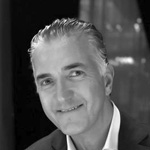
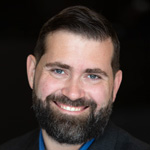
Dr. Luis Abrahante is a cosmetic and implant dentist practicing in Mountain Brook, Alabama, near Birmingham. After graduating from the University of Alabama in 2021, he has built a thriving fee-for-service practice in just three years, specializing in aesthetic dentistry, smile design, and comprehensive full mouth reconstruction. Dr. Abrahante holds memberships in the American Dental Association, American Academy of Facial Esthetics, American Academy of Cosmetic Dentistry, and earned membership by award in the International Congress of Oral Implantologists. He is one of only three members of the American Society for Dental Aesthetics in Alabama and has received prestigious recognition including the American Academy of Orofacial Pain Outstanding Award and the Academy of Operative Dentistry Award. Beyond clinical practice, he contributes as a lecturer, publishes in national journals, and serves as a product evaluator.
This episode explores how Dr. Abrahante overcame the biggest challenge young cosmetic dentists face: convincing patients to invest in comprehensive treatment when you lack decades of reputation. His solution centers on extensive clinical photography—not just before and after images, but detailed interim photos documenting every procedural step. This approach has dramatically improved case acceptance while building patient trust and engagement in treatment planning.
Episode Highlights:
- Clinical photography workflow using Canon T8i with 100mm lens and Godox twin flashes creates comprehensive case documentation. Taking interim procedural photos alongside traditional before/after images increases patient engagement and case acceptance by demonstrating technique transparency and building trust with younger practitioners.
- No-prep veneer case selection requires understanding occlusion, tooth alignment, and proper patient screening for optimal outcomes. Most cases require minimal preparation around incisal edges or distal angles, with feldspathic veneers as thin as 0.2mm achieving undetectable margins when properly polished at the gingival interface.
- Digital smile design workflow incorporates comprehensive photography, intraoral scanning, and lab-fabricated STL files for 3D printing templates. Chairside mock-ups using Luxaflow composite material demonstrate proposed results in real-time, often achieving immediate case acceptance during the consultation appointment.
- Indirect restoration preference over direct composite includes ceramic inlays and onlays for larger restorations, citing elimination of polymerization shrinkage, improved longevity, reduced post-operative sensitivity, and superior aesthetics. Chair-side milling capabilities are maintained but laboratory fabrication is preferred for optimal workflow efficiency.
- Fee-for-service practice development in upscale demographics requires strategic location selection and systematic insurance plan elimination. Practice renovation focusing on lighter flooring, updated baseboards, and brighter paint schemes creates modern aesthetic perception that patients consistently notice and comment upon.
Perfect for: Young dentists building cosmetic practices, established practitioners seeking case acceptance strategies, and dental teams interested in photography integration and premium practice development.
Discover how strategic clinical documentation and patient education can accelerate cosmetic practice growth regardless of your years in practice.
Disclaimer
Viva Learning LLC sites offer content that include opinions, techniques, recommendations, etc. from a variety of writers and speakers that are not necessarily endorsed by Viva Learning LLC, its associates and sponsored Viva Affiliates. Viewers are responsible for verifying the validity, accuracy and relevance of all content before implementing any techniques, products or recommendations into their clinical setting. Viewers understand that Viva Learning LLC, its associates, writers, speakers and sponsored Viva Affiliates are not in any way responsible or liable for any adverse events that may occur (i.e., in a clinical setting or anywhere) based on any information disseminated from Viva Learning LLC sites, including all Viva Learning sites.
The copyrights and other rights to the slides and video contained in a webinar posted on this website are owned by the speaker, Viva Learning LLC, and/or the sponsor company and/or its subsidiaries worldwide. Viewers are only authorized to view the content of the webinar (live and archive) at this Website and are not permitted to screen capture, record and/or download any content displayed in this webinar. You may not make any part of this Website available as part of another web site whether by hyperlink framing on the Internet or otherwise.
The copyrights and other rights to the audio contained in a Viva Podcast are owned by Viva Learning LLC. Viewers are authorized to listen to the content of the podcast and are permitted to download any podcast for personal use only. You may not, however, make any part of this Website available as part of another web site whether by hyperlink framing on the Internet or otherwise.
By signing up for a free webinar and/or podcast you give Viva Learning LLC and/or its Viva Learning Affiliates permission to send you emails alerting you to future CE opportunities and e-learning content.
California State Dental Board Provider Statement
Viva Learning is a registered continuing education provider in the state of CA. Dental Board of CA Provider #RP 5747. Approved through 6/30/2026
Questions regarding our Conditions of Usage, Privacy Policy, or other policy related material can be directed to our support staff by clicking on the "Support" link or you can email us at: support@vivalearning.com.
Approval does not imply acceptance by any regulatory authority or AGD endorsement.
Approval period: 11/1/2025 - 10/31/2029. AGD Provider # 217544
Presenter Information: Dr. Luis Abrahante
 |
Dr. Luis Abrahante graduated from the University of Alabama and currently resides in Birmingham. He owns and operates a full-service dental practice in Mountain Brook, focusing on aesthetic and implant dentistry. Dr. Abrahante is passionate about his field and has continually advanced his career by accumulating numerous continuing education hours and actively participating in various dental organizations. He is a member of the American Dental Association (ADA), the American Academy of Facial Esthetics (AAFE), and the American Academy of Cosmetic Dentistry (AACD). Due to his significant contributions to the field, Dr. Abrahante was awarded membership by the International Congress of Oral Implantologists (ICOI). His dedication to dental excellence is further highlighted by prestigious awards such as the American Academy of Orofacial Pain Outstanding Award and the Academy of Operative Dentistry Award. Beyond his clinical practice, Dr. Abrahante contributes to the dental community as a lecturer, author of publications in national journals, and as a product evaluator for Catapult. He is one of only three members of the American Society for Dental Aesthetics in Alabama, emphasizing his commitment to high standards in dental aesthetics. |
Viva Learning is an approved AGD PACE Provider and California State Dental Board Provider of dental continuing education. Viva Learning strives to deliver balanced, objective and clinically relevant information grounded on scientific research. Lecturers who are invited to deliver Viva CE webinars are advised to substantiate their claims with research-supported data and to disclose all commitments to, or relationships with, any commercial entity within the dental industry. In many cases, lecturers are sponsored by a dental manufacturing company, which provides them with support in the form of honorarium and/or dental products and equipment in order to help with clinical presentations. Prior to each live CE webinar, lecturers are made aware of the importance of delivering their presentations without commercial bias, and where appropriate, to mention a variety of different product choices that may be relevant to the subject matter of the lecture, for the educational benefit of the participant.
Transcript
So what I do in this type of case is I take all my photographs, which include a portrait, retracted
smile, left, right, occlusal, occlusal maxillary, occlusal of the mandibular. I take a digital scan
with a bite I sent to my lab technician, a ceramist, and he sends me back an STL file.
that I can print those at my office and I make a matrix. It takes up one day, and one day I can do
that. And I can bring the patient back the next day and do a markup over the teeth.
Welcome to Austin, Texas, and welcome to the Phil Kline Dental Podcast. Today's episode is one I
think you're really going to enjoy, especially if you're a young dentist, an aspiring practice
owner, or anyone interested in building a high-end cosmetic practice the right way.
I'm joined by Dr. Luis Abrahante, a 31-year-old dentist who's been in private practice for just
over three years near Birmingham, Alabama, and he's already built a thriving fee-for-service
practice focused on comprehensive high-end cosmetic dentistry. We'll talk about why he made the
decision early on to pursue cosmetic dentistry and how he overcame one of the biggest challenges
young dentists face. getting patients to say yes to comprehensive treatment plans when you don't
have decades of experience behind your name. A big part of his success has come from his use of
photography, not just before and after images, but interim photos that document every step of his
cases. Those photos have helped build trust, strengthen the dentist-patient relationship,
and dramatically improve case acceptance. Photography has also become a powerful teaching and self
-evaluation tool for him. By reviewing his own images, Dr. Abrahante is constantly refining his
techniques and finding more efficient ways to deliver better results. We also dive into no prep
veneers, why proper case selection, treatment planning, and a strong understanding of occlusion and
tooth alignment are absolutely critical for those procedures. You'll hear how he markets his
practice, although he does not participate in any third-party dental insurance, and why he prefers
indirect restorations over direct, his favorite materials, and why, despite having a chair-side
milling set up, he often chooses to send his digital impressions to the lab. And behind it all is
an incredible personal story. Dr. Abrahante came to the United States from Cuba at 18 years old,
not knowing a word of English. Today, at just 31, He's built a successful,
fulfilling career, and he's already planning his next phase, expanding from four operatories to six
and bringing on an associate. This is an inspiring conversation about vision,
discipline, and doing dentistry at a very high level. Before we bring in our guest,
I do want to say that if you're enjoying these episodes and want to support the show, please follow
us on Apple Podcasts or Spotify. You'll be the first to know about our new releases and our entire
production team will really appreciate it. Dr. Abrahante, welcome to the show. Hey, thank you for
having me again. Yeah, we're very happy to have you back. And we had a really good engagement on
your last podcast episode. And because it was so good, we wanted to have you back and continue the
conversation. So you've made a deliberate choice to focus your practice on high-end cosmetic
dentistry early in your career. You're a young guy. What drew you to that path? And what did you do
differently from day one to make it viable? Definitely failed. Well, ever since I was in dental
school, I always wanted to have an aesthetic practice. Aesthetics is something that I've been
thinking of, I think, even before I started dental school. And the minute I graduated,
I started putting all the efforts and all my thoughts into how can I...
Being this path, how can I go into a practice where I can do what I like? I mean,
I like doing other stuff as well, like doing root canals, implants. In fact, I do many of those.
But the focus of my practice is mainly aesthetic work, veneers, smile designs,
and full mouth reconstructions. And as soon as I graduated,
I looked for a really good mentor that helped me during my first two years right after graduation.
And I think that was one of the things that helped me out the most as soon as I graduated.
And I just, I didn't want to be, I guess, the Instagram doctor. I know in Instagram, everything
looks really good and all that. And my goal was to actually do this transformation for people and
actually change people's lives. And because there's nothing like you get a,
you get. mouthful of old restorations and all of a sudden you put veneers and it's incredible the
change you can, the impact you can have in people's lives. Oh yeah, for sure, for sure. Their
confidence level, the way they interact with other people, their self-esteem. Yeah, it all is
affected by your smile. So you're a pretty young guy, as I mentioned. So as a younger dentist,
how do you establish credibility and authority with patients seeking premium cosmetic work,
especially when competing with more established clinicians in your area? Definitely. It is still a
challenge. I'm not going to lie. I'm working on that every single day because it's only been about
three years and change since I graduated. I graduated in 2022. And at least once or twice a week,
we get a case of a smile design. And when you talk about that in Birmingham, Alabama, where I am
located, it is hard. And I think a lot of that had to do with me taking a lot of photographs.
Not only of the before and after. Before and after looks great. But if you show people the steps
and you show how much of the tooth you need to prepare, especially those no prep veneers.
I've done many of those no prep veneers. And if you show people the steps and actually tell them,
hey, we're not going to have to do this. very aggressive crown and reduce the entire tooth and
leave you all the way down into very skinny knob on the tooth. But these are actually the steps
that we do to get you from point A to point B. I think that has been my biggest selling factor,
I guess, for lack of a better word here. That has been the biggest selling factor there,
showing people the steps, not only the before and after. Photography has been... Incredible.
It is incredible how much photography has helped me. You know, I've talked to a lot of dentists on
this show and my colleagues, and they agree that photography is really invaluable to their
practice. Some of these offices have photography rooms where they just bring the patient in there
and they take pictures. What kind of equipment, what kind of a camera and auxiliary equipment are
you currently using in your operatory? I don't have very, very, very fancy equipment, but I do have
a nice one. I have a Canon. T8i is one, I guess, medium range type of camera.
And I have a 100 millimeter lens that I use pretty much for everything on this.
If I take a portrait, I may change the lens. But my workhorse is a 100 millimeter lens with an
aperture of the 2.8. And flash, I have the flashes, the Godox flashes,
the M12 flashes. I like the twin flashes with the soft boxes, the fixed light soft boxes.
And I can do everything with that. So now do you take these photos yourself or does your staff take
them? We'll be right back to our guest in a second. But first, when it comes to chairside milling
and same-day crowns and bridges, speed usually means compromise, but not anymore. Katana 1 Speed
by Curare is a major breakthrough in Zirconia CAD CAM blocks. It allows sintering in as little as
nine minutes without sacrificing strength, fit, or aesthetics. That means faster turnaround,
true same-day possibilities, and less downtime in your lab or practice. With the unparalleled
flexural strength and aesthetics Katana is known for, you get predictable clinical outcomes and the
ultimate in patient satisfaction. The bottom line is efficiency matters, and stunning beauty is non
-negotiable, and Katana One Speed delivers both. Join the growing number of dental offices and labs
embracing faster workflows without compromise. Learn more about Katana One Speed at curaredental
.com. I take most of the photos I take myself. I would say 90% of them I take myself.
I do have another small camera that my assistant uses every now and then for like shape match,
like a quick shape match picture and I'm working with a patient. She has a camera that is preset
and all that. But I think it will be very hard to train an assistant in all the little details of
how I want the picture. So when you're doing a case, Isn't it kind of disruptive to workflow to
reach for a camera? You've got your gloves on, your gloves are, you know, have been in the
patient's mouth. You want to maintain infection control and now you reach for a camera. How do you
manage that? It definitely, it's always, it's a question that always comes in conversations.
I do two things. One of them is sometimes I double glove. If I'm going to use the camera real
quick, I put another glove to just take the picture. Another thing that I do very often is I cover
my entire camera in the blue paper and we cover all the things that you touch and all that.
But my assistant, when I'm working in those particular cases where I'm very busy, my assistant does
take some pictures there. The pictures that I'm talking about more mainly are the before and afters
and when the patient just comes for a follow-up. Pictures that are in the middle of procedures, If
I want to take it myself, I would do that. But most of the times, those pictures are definitely
taken by my assistant. Are those photos used, like you mentioned, to help with case acceptance?
I'm talking about the ones, the interim photos, not the before and afters, but the ones that you're
taking during the procedure. Is that primarily to show the steps to the patient?
Show the steps. And you're telling me that those interim photos, the patients actually want to see
the details of... Definitely. I would never think they wanted to see the details, but they
actually... to see the details. If you show them, it's incredible how engaged they get in the
conversations. And then they start asking details about, but are you going to drill in between my
teeth? Are you going to drill on the back of my tooth? Are you going to cut the length of my tooth?
And they start asking questions that you maybe never thought they were going to ask. And once you
start showing the steps, it's incredible how much that engages in the conversation and how much
that engages the patients into the treatment. So you think the additional engagement and actually
showing them what you're doing builds trust. It definitely builds trust, especially for somebody
like myself. I'm very young here. If you go to somebody who's been doing this for 40 years,
the name itself may sell the case. In my case, I have to show you. I have to tell you here.
This is what I have done. These are the last 20 cases we've done. And these are the last 40 cases.
Or do you want to see a diastema closure? This is what we do. And I have enough cases now that I
pretty much have a case for. for everything i guess or at least for the majority of the things that
we do and documenting all those cases is it has been a tremendous help it's interesting to me
because you know typically you would think the patient doesn't want to know the details at that
level maybe maybe it's the fact that you're looking at the patient as someone who is capable of
understanding all of this and and in that way you're building a relationship with that patient
where the where the patient's thinking you know this doctor really appreciates my intelligence you
know he understands that I want to know what's going on with my own teeth I just don't want to open
my mouth and hope for the best I think it's a great approach now you also teach so these
photographs are good for educational purposes right to teach your your colleagues yes sir there's
definitely some of some of those photographs that I take I use on the for my lectures and it helps
it helps with everything it even helps me correcting my own mistakes Because you do something and
then the patient leaves, you don't see that anymore. And then you don't have a chance to go back
and look at that picture, enlarge the picture and say, hmm, maybe if I had rounded this corner of
the margin a little bit better, maybe if I had done so and so better. It's incredible how much I
have learned from my own pictures. So when you can, Dr. Abrante, you've talked about how you
perform no prep veneers. Obviously, this is a conservative approach,
which is great. The argument is that if you don't prep the tooth to some extent, you're going to
have over contouring once you put the restoration on. So with that in mind, how do you approach no
prep veneers? The no prep veneers, it is a tricky concept because some people,
when the patients hear no prep and they think everything will be no prep.
And for some reason, patients associate no prep with a reversible procedure.
They hear no prep and say, okay, so whenever I don't like it, I'll take it out and that's it. So it
is a tricky concept to explain to the patients for sure. And one of the first things that I say is
none of these procedures are reversible. But most of the patients that come to me, they already
made up their mind that they want to do something about their smile. So I really don't have to deal
too much with explaining about the reversibility of the procedures. But the no prep concept,
it is true. If you don't have the right case, I think the no prep is about the right case. You need
to understand where that veneer will be. You have to understand occlusion. You have to understand
alignment of the teeth. And when we say no prep, sometimes you do have to maybe around the corner
of one incisal edge or around the distal angle of a tooth. But no prep is,
I would say, maybe 10% of cases. Not every case would be a complete, complete no prep.
But I understand the concept that everyone argues is two bodies cannot occupy the same space.
And I understand that. If you do a very skinny feldspathic veneer, 0.2 microns.
We're talking about microns. I'm talking about 0.2 millimeters, something very, very, very, very
skinny. And when you polish that margin very well at the gingival margin.
those margins become undetectable to the explorer if you do it right those margins will become
undetectable and i have had great success there no staining no problems with those and i've been
doing those for about maybe my first case was about three years ago and i've been able to follow up
with that case and i haven't had i haven't seen of any problems with the no prep veneers now the
problem with the no prep veneers is you need to know how to treatment plan the case.
You need to take the right course or have the right mentor to teach you about the not prep veneers
because it's not only about dentistry. It involves ortho. It involves period. You need to have a
good team around you that you can have the right foundation for the not prep. Now,
does ortho hurt the case acceptance when you start talking to the patient about straightening their
teeth? I guess you're talking about using... aligners, possibly. Clear aligners. Yeah. And what's
the typical period of time they have to be in clear aligners before you get to the veneers? It
really varies. I do clear aligners myself. I'm an Invisalign certified as well. And many of these
cases I do myself. And maybe I would say six months, four to six months is the minimum.
And the maximum could be one, two years, right? But one, two years is mainly,
sometimes it's not the typical no prep.
28 30 year old female that comes into their practice almost perfectly aligned teeth but she doesn't
like the the the shade of her teeth she just wants to have wider teeth and gets a better smile and
we just have we just enlarge maybe the vocal corridor to to to help with the um the negative spaces
and the gap around the the smile and that's the typical no prep veneer we don't typically see a 60
year old female or male requesting no prep veneers those are mainly we'll prep on those and what's
the workflow typically for a veneer where the teeth are in position they're ready to be worked on
to get these veneers, what's your digital workflow look like? We'll be right back with our guest,
but first, I want to tell you about VOCO's newest composite, Grandioso 4U.
Top clinicians are calling it the most tooth-like universal composite ever made. Unlike
traditional composites that force you to choose between either an anterior aesthetic composite,
a stronger layering posterior composite, or a fast but aesthetic-compromising bulk fill,
Grandioso 4U does it all, simplifying your workflow while delivering superior results in a single
material. It cures 4mm in just 10 seconds, looks stunning with 5 cluster shades covering all 16
Vita shades, and handles like a dream with 50% less resin. It's a 91% filled nano hybrid,
giving you tooth-like strength, ultra-low shrinkage, exceptional wear resistance, and an amalgam
-like high radio opacity. So as they say, seeing is believing. So grab your free sample of
Grandioso for you today at voco.dental. A lot of times I will request a wax up if I'm second
guessing, if I'm looking at the teeth and I'm thinking, am I really going to have enough? space
here for an op-rep case. So what I do in this type of case is I take all my photographs,
which include a portrait, retracted smile, left, right, occlusal, occlusal maxillary,
occlusal of the mandibular. I take a digital scan with a bite I sent to my lab technician,
a ceramist, and he sends me back an STL file. that I can print to my office.
I have the spring rates that I can, I print those at my office and I make a matrix.
It takes one day and one day I can do that. And I can bring the patient back the next day and do a
mock-up over the teeth. It gives me a template. And it also gives me a chance to show the patient,
here's how your teeth are going to look like. What's the mock-up? What do you use for the mock-up
material? I use DMG, the Luxaflow. Okay, so use Luxaflow. Luxaflow,
yeah. Temporary material. It's very popular, I guess. Most of the people doing aesthetic work have
used at least Luxaflow at some point. So, Dr. Abrahante, when we talk about smile design,
that can mean different things to different clinicians. Walk us through how you collaborate with
patients during the smile design process to align their vision of what they expect their teeth to
look like. with what's biologically and functionally sound. Definitely. And I'm glad you touched on
that topic because most of the times we hear this trend nowadays where small design,
10 crowns on the top, 10 crowns on the bottom, cut, and pretty much before and after.
Sometimes I look at them and I'm like, is it really before and after or before and before? What do
we do here with small design? So when we talk about a small design, the very first thing after I
take... the series of photographs, and I understand the patient's goals and concerns.
Once we establish that this is what we want to do, then we enter into the phase of let's start
designing your smile. And the very, very first thing that we do is establish the incisal edge
position. Once we have established the incisal edge position, and once we check for aesthetics,
phonetics, the rest just comes on its own. And all of this goes back to the lectures of dentures.
I don't know if you remember, though, when we were doing dentures, what was the first thing that
they made you do in dentures? Establish the incisal edge position. Establish in the wax rim where
you want the tip of the incisal to be. That follows the labial curvature that follows the vocal
corridors. And once you get all those parameters established and you have... verify the phonetics
and all the sounds, the S, the F, and all those sounds, then you can do a mock-up.
Most of the time, because I've done so many small designs now, that most of the mock-ups I'm doing
at the same time in-house, I don't typically send them to my ceramist,
because I've become, like, in 30 minutes, I can do a 10-teeth mock-up. So while the patients on
the chair, sometimes even a hygiene appointment, I can do a quick mock-up and show them, here's
just more or less how your teeth are going to look like. And I can tell you many, many times my
patients say, all right, when can we start? And it's incredible. Most of these cases were already
in my practice. I didn't even have to mark it. So when you're talking about doing the mock-up,
you're doing it manually in the mouth, but you could also take a scan, intraoral scan,
and then have the software do the mock-up digitally and show it to the patient too, right? You can
do it digitally as well. That's a different way of doing it as well. The other way of doing it is
there's a lot of small softwares now where you can take a picture and the software designs the 3D
year before and after. And you can show the patient in less than 30 seconds how they're going to
look before and after. But for some reason, I have had better case acceptance when I do it in the
mouth. I just get a little bit of Luxaflow, put it over the teeth. I shape those teeth. I establish
incisal exposition and I do the rest of the teeth. I show them in a mirror and it's incredible.
is it works very very good yeah i mean it's the real thing you're doing the real thing do you have
any do you have any experience with a facial scanner where you're actually taking a scan of the
movements from one movement all the way to the extreme and then the software builds in all the
other movements and then when you take it to the laboratory they can actually it's almost like an
articulator face bow transfer but it's done digitally are you using any of that I haven't, no,
I'm not using any of that just yet. I have seen it and I've seen great success with that. I have
some colleagues that are using it. I haven't dived into it just yet because I'm in so many things
at the moment and the practice, building the practice, building this and that, that I haven't had a
chance to do anything fun extra out of the routine. It sounds like everything you're doing is fun
because it sounds like you're loving. I mean, you're like, you have a dream situation because you
have the skill set, you have the personality, you have the knowledge and the passion and the love
for dentistry. I mean, you got a whole career ahead of you and it's just only going to get more fun
because you're doing what you love. And that's really an amazing thing. You know,
we talked a lot of clinical stuff and I want to get back to some clinical stuff. But before we do
that, I want to ask you about your renovation. You did some cosmetic renovation, talk about
cosmetics, to your actual facility. Right. Baseboard,
painting, basic stuff. But you mentioned to me prior to the interview that this actually had a big
impact on your practice. So tell us about the renovation, how your dad was involved, and also tell
us what you're seeing as far as the perception on the patient side. Yes, definitely. It actually
made a great impact. The office wasn't bad. The office wasn't looking bad. My office was built in
2015 and I took over last year. So it's been about a year now. And the equipment is not very old.
It's actually relatively, everything's relatively new. However, it had carpet in the hall.
Carpet wasn't bad, but it had a carpet on the hall. And the painting was a little darkish.
I don't know how to describe it. It wasn't. Very bright. Well, what we did is we took out the
carpet. We did lighter floors. Incredible how light floors, I know they're harder to maintain,
but they give this illusion that is bigger, cleaner, and a lot nicer.
We changed those black baseboards, the rubber baseboards. I'm not sure if you're familiar with
those. Yes, yes. Yeah, I don't even like those. We changed those rubber baseboards and we put the
conventional house white baseboards. And it looks like a whole new place.
It looks like a whole new place. Isn't that amazing how some relatively minor renovations could
give you a feeling of it just lightens up the place. It makes it a happier place. And it's amazing
how that perception is. It is amazing. Like I can tell you, every single patient that has come
through since we did the renovation, man, everyone asked me, is the place bigger?
What did you do? Everyone's asking me what I did. Everyone's asking me, what did you do to this
place? And it looks really, really good. What made you do that? Was it feedback you got from your
patients or it was your own feeling that it was time to do? It was my own feeling. I didn't like
the carpet for sure. Even though it wasn't in the operatories, I didn't like the carpet. I don't
think they're hygienic in my personal opinion. And it also gives an older type of feeling to the
practice. And I wanted to have a more modern, like today's practice. And your dad helped you with
that, which is really nice. Yes, yes, yes. He helped me with that. He actually, I would call,
he was like the project manager of the... of the process he he's uh and you were you were able to
keep the practice going while you were doing these renovations yeah everything was done on on the
evenings and weekends i'll tell you what working while um while keeping the practice open was hard
it was hard Because many Sundays we were wondering,
are we going to be able to open this on Monday? And it was a little stressful at times.
But we were able to keep the practice running. We were able to keep the patients. And we didn't
reschedule anything. And everything came out to be very, very nice. I'm very happy with the
renovations. Do you see yourself growing out of your space, the way your practice is growing?
Because you are, for someone who's, what, 31 years old, who's not been practicing that many years,
you're really developing a big following in your area, and that's Alabama, right? You're working
in... That's right. What part of Alabama? The city is called Mountain Brook, Alabama,
but most people are familiar with Birmingham, which is... It's literally one street that divides
Mountain Brook and Birmingham. So for people who are not from the state, they typically say
Birmingham. That way it's a little bit easier for them to orient themselves. But the actual city is
called Mountain Brook. And do you feel like you're growing out of that space? Or do you think you
have a good runway of time where you're going to be where you are? Well,
Phil, I actually have had to request help from a colleague in multiple occasions.
a colleague, a dentist colleague. She has helped me in multiple occasions and we are actually
booked for hygiene for the next three months. Yes, we are booked for the next three months. And I
have found myself last week doing an exam on, not an example, I do it like a consult on the waiting
area because we didn't have room. How many operatories do you have now? I only have four.
I wish I had five or six. I think the ideal number for everyone starting out, I think should be
six. You're the only dentist or you have an associate? I'm the only dentist, but I have had the
request. It wasn't a Saturday, a couple of Saturdays. We had to start opening Saturdays because I'm
Monday through Thursday and I didn't want to open Fridays because I have a 19 month old that I
don't want to miss too much from him. I want to be at home as much as possible. But if I open
Fridays, I'll have enough patients for Fridays. So you have four operatories, you said? Yes, sir.
Four operatories. Right. And you wish you had six, but you're one dentist. So even if you were
juggling two operatories and a hygienist had one or two, that's four. What do you need the other
two for? If I could have six rooms, my ideal case scenario would be to bring an associate,
have that associate working out of one or two rooms, maybe two rooms. I can work two rooms and I
can have a two hygiene room. Right. So do you plan on bringing an associate in?
I would love to, but I don't have enough space in my place right now.
I am looking to expand, but I didn't want to advertise it too much because it is in the process.
And I've actually looked at some places already. I've done some research and we will probably do
some changes in the next year. So maybe the next time we talk, I'll have more information for you.
That's a fast, fast growing situation over there, which is really amazing. And talking about
growing your practice, I want to touch on marketing for a second. So marketing a high end cosmetic
practice is very different from marketing general dentistry, where you do everything. And I know
you do a lot of different things, but. you want to consider yourself a high-end cosmetic practice.
And you also don't take insurance, right? You don't take third-party insurance. When I took over
the practice, there were about six, seven insurances. I can't remember at the moment right now. And
one of the first things that I did was I started one by one dropping all those insurances. And yes,
I became free for service. So what strategies have been most effective for you in attracting the
right patients and just as importantly, filtering out the patients that are not a good fit for your
practice? Let me tell you one thing I did. The person that helped me out, my, what do you call,
my mentor, told me since the beginning. And it's, if you choose the right city,
the rest comes along. The rest takes care of itself. Exactly. And Mountain Brook happens to be one
of the nicer, I would say, trying to find a better word for that, I guess.
Upscale. Upscale. Upscale, yes. Upscale suburbs of Birmingham. In Mountain Brook,
you can present virtually any treatment and patients say yes. Most of the times I just tell you,
we can do a filling on this tooth or we can do a ceramic inlay. And all of a sudden, I don't even
have to explain myself. And they say, let me get the inlay. I think it's going to last longer.
What's your selling point there on the inlay? There's a lot of things that I can present in between
inlays and resins. And one of them is being the, you eliminate the polymerization shrinkage.
Research shows that in direct restorations, last longer than direct restorations it less
sensitivity better aesthetics and it's just it's just it's just a better restoration if i were to
get a filling and it's a relatively a big filling i probably would want to get an inlay on that so
you have a lab that mills that and sends it to you you don't do a chair side do you i have a
milling machine in house oh you do I do have a milling machine. And so you do mill the smaller
restorations, inlays and onlays? You do that? Most of the smaller ones, I do mill in-house and we
keep them in-house if I have time. Lately, I will tell you in the past month, we haven't been able
to do so much of that because we have been busy. And that's another reason why we like to expand.
If I have an extra room, I could probably have the patient waiting while I'm doing something else.
But at the moment, I have actually been... doing them myself but not on the same not same day
treatment yeah now after hours so the materials that you use and there's so much to talk about here
we can't do it all in one one episode of course but You've got so much going on over there.
And you have a patient base that will basically listen to anything you suggest because they trust
you. You know, you've proved yourself to be a high-end cosmetic dentist. Are you part of this
incredibly fast-growing trend of zirconia when it comes to your materials that you're choosing for
your indirect? Because zirconia has gone a long way. You know, originally it was like strength,
strength, strength. But the downside was it didn't have the translucency that obviously lithium
disilicate has. are you finding that the newer zirconia materials are actually becoming the way to
go where you can there's no compromise now you get strength anesthetics in one material? I think
so. We're getting there. I'm not sure whether or not we are there already, but in the next five
years, we probably are going to be there. Still, I do a mixture of lithium disilicate in zirconia.
I do mill some zirconia as well, but I think I still rely a lot on lithium disilicate,
but I agree with your statement. I think zirconia is actually the way to go. where we're getting
there where it's just the way to go especially you know we can bond to zirconia i bond zirconia all
the time with really good success if you pick the right materials and if you do it with the right
process in the right steps you can actually i have actually done uh zirconia veneers with good
success right and and zirconia now the newer ones are allowing for if you have a oven that a speed
furnace, I should say, that could accommodate it. You can cut your sintering time down with
zirconia in half. They have, and I know if you're doing that with the lab, it's not that critical,
but if you're doing same day dentistry where you have your own, you're doing your own sintering,
they got it down to nine minutes on zirconia. You can actually mill, sinter,
polish, and stain and sandblast in 25 minutes, the whole thing.
You can do the whole thing in 25. You can probably do in one hour if you're fast enough, an hour
and 15 minutes, you can go in and out. Yes, in and out. If you have the right furnace and you have
the right milling machine, I guess you need all that stuff to go with it. But the whole concept of
same day delivery, that was a big selling point by obviously Densply,
which was CEREC. There's still a reason to have that. But generally speaking, what I'm hearing from
other... doctors that I interview, they're just sending it to the lab now. Like you said, you don't
even have time to do the milling in your own office, which means you want to do what you do best
and move on to the next patient. And then meanwhile, the patient will come back and you'll deliver
what the laboratory fabricates. Does that sound like what you're doing? I do agree with that. And I
actually think it's better if we send it to the lab. The only advantage would be not having a
temporary for a week on the patients. It's the only advantage I see on doing it on the same day.
But I agree with that. I agree that if you do what you know how to do and you send it to the lab,
I think that's just fine. The only reason why I got into the milling machine is because when I
purchased the practice, I was like, well, let me try all these new things. Let me try that. Let me
try this. But if I go back and analyze everything again,
I probably wouldn't have purchased the milling machine. I probably would have. I think I can do
just fine without a milling machine. Yeah, and I think that's what a lot of dentists are finding.
It was a really exciting concept, and it's certainly taken off. I mean,
there are a lot of dentists that have chairside milling. They advertise it. You get your crown the
same day. But in reality, when you look at... The practicality behind it in the real world,
a dentist wants to do dentistry. They don't want to do lab work. I agree with that. Yeah. And we're
getting to the point where 3D printers are now going to be able to kick out some really strong
restorations down the road. They're already doing this in Europe. They're printing zirconia. I
don't know how good it is in Europe, but they're doing it. There's going to come a time where
you're going to be able to print these crowns right in your office, and they're going to be
amazingly strong and consistent as far as fit. Definitely. Yeah.
I can't wait for that time. 3D printing, I think, is going to be a lot better than milling for
sure. Yeah. I mean, you're 31 now. By the time you're in the middle of your career,
it's going to be completely different with what you're doing now. That's how fast things are
moving. And by the time you're at the end of your career, God knows what dentistry is going to be
like. I mean, it's going to be AI is going to have such a big impact in it. It's going to be pretty
remarkable. But listen, there's a lot more we can talk about, Dr. Abrahante, and it's really exciting
to hear. what you've done since the last time we talked. We'll have you on again. And thanks so
much for taking the time to join us. Thank you so much for having me. And I really enjoyed the
conversation.
 Episode 790. How a 31-Year-Old Dentist Built Trust, Case Acceptance, and a Fee-for-Service Cosmetic Practice
7/30/2026 - CE Credits: 0.5 CEU (Take Exam)
Episode 788. Making the Laser Leap: Implant Care That Pays Off
7/23/2026 - CE Credits: 0.5 CEU (Take Exam)
Episode 786. When Dental Patients Use HIPAA for Leverage and Retaliation
7/16/2026 - CE Credits: 0.5 CEU (Take Exam)
Episode 784. Implant Rescue: Non-Surgical and Surgical Treatment of Peri-implantitis
7/9/2026 - CE Credits: 0.5 CEU (Take Exam)
Episode 782. Pairing Perfect Impressions With The Exceptional Patient Experience
7/2/2026 - CE Credits: 0.5 CEU (Take Exam)
Episode 780. Know When to Let Go: Hiring Your Next Office Manager
6/25/2026 - CE Credits: 0.5 CEU (Take Exam)
Episode 778. Do Dentists Really Need to Advertise? A Practical Look at ROI
6/18/2026 - CE Credits: 0.5 CEU (Take Exam)
Episode 776. Attract, Convert, Deliver, Collect: NYC Prosthodontist Dr. Giglio Shares His Secret Sauce
6/11/2026 - CE Credits: 0.5 CEU (Take Exam)
Episode 771. Posture, Pain, and Prevention: The Ergonomics Wake-Up Call for Dental Professionals
5/21/2026 - CE Credits: 0.5 CEU (Take Exam)
Episode 769. Prescribing Nutrition: A Game Changer for Immediate Denture Outcomes
5/14/2026 - CE Credits: 0.5 CEU (Take Exam)
Episode 767. From Overwhelmed to Empowered: Taking Control of Your Dental Practice and Career
5/7/2026 - CE Credits: 0.5 CEU (Take Exam)
Episode 765. How a NYC Prosthodontist Built a High-Trust, High-Value Practice
4/30/2026 - CE Credits: 0.5 CEU (Take Exam)
Episode 763. From Burnout to Balance: Reclaiming Your Energy and Purpose in Dentistry
4/23/2026 - CE Credits: 0.5 CEU (Take Exam)
Episode 761. From Online Visitor to Booked Appointment: Dental Website Strategies That Work
4/16/2026 - CE Credits: 0.5 CEU (Take Exam)
Episode 759. From Diagnosis to Growth: A GP’s Success Story with CBCT
4/9/2026 - CE Credits: 0.5 CEU (Take Exam)
Episode 757. Antibiotic Resistance: Smarter Prescribing in Dental Care
4/2/2026 - CE Credits: 0.5 CEU (Take Exam)
Episode 755. Concerned Team Member Triggers OSHA Nitrous Oxide Inspection
3/26/2026 - CE Credits: 0.5 CEU (Take Exam)
Episode 753. The Rise of DIY Dentistry on Social Media: Why it Matters
3/19/2026 - CE Credits: 0.5 CEU (Take Exam)
Episode 751. Bridging the Dentist-Hygienist Gap: Comprehensive Care Starts in the Hygiene Chair
3/12/2026 - CE Credits: 0.5 CEU (Take Exam)
Episode 749. Why Every GP and Hygienist Should Be Using a Dental Laser
3/5/2026 - CE Credits: 0.5 CEU (Take Exam)
Episode 747. Breaking Free: Escaping Corporate Dentistry and Creating a Practice You Love
2/26/2026 - CE Credits: 0.5 CEU (Take Exam)
Episode 745. Clear Aligner Therapy: Treating Adult Lower Anterior Crowding the Right Way
2/19/2026 - CE Credits: 0.5 CEU (Take Exam)
Episode 743. How a Dentist Transformed Her Career with an AI-Driven, Remote-Staffed Practice
2/12/2026 - CE Credits: 0.5 CEU (Take Exam)
Episode 741. What Can Doom Your Implants? Uncovering the Risks of Implant Failure
2/5/2026 - CE Credits: 0.5 CEU (Take Exam)
Episode 739. Seal the Deal: Perfecting Rubber Dam Placement in Endodontics
1/29/2026 - CE Credits: 0.5 CEU (Take Exam)
Episode 738. Retain Your Dental Team by Fostering a Culture of Health and Wellness
1/26/2026 - CE Credits: 0.5 CEU (Take Exam)
Episode 737. The Blue Light Hazard in Dentistry: What You Need to Know
1/22/2026 - CE Credits: 0.5 CEU (Take Exam)
Episode 735. Treating the Avulsed Permanent Incisor with Partially Formed Root
1/15/2026 - CE Credits: 0.25 CEU (Take Exam)
Episode 732. Sterilization Breakdown: A Dentist's Shocking Discovery and its Aftermath
1/5/2026 - CE Credits: 0.25 CEU (Take Exam)
Episode 729. When the Attorney General Comes Knocking: IC Violations and Your Dental Practice
12/18/2025 - CE Credits: 0.25 CEU (Take Exam)
Episode 727. How Dental Partnership Groups Reshape Dental Practice Ownership
12/11/2025 - CE Credits: 0.25 CEU (Take Exam)
Episode 725. Start Before You’re Ready: Dr. Cohn’s Bold Path in Pediatric Dentistry
12/4/2025 - CE Credits: 0.5 CEU (Take Exam)
Episode 722. Proper Prevention and Response to an Eye Incident in Your Operatory
11/20/2025 - CE Credits: 0.5 CEU (Take Exam)
Episode 718. Medical Reimbursement for Dentists: What You Need to Know
11/6/2025 - CE Credits: 0.5 CEU (Take Exam)
Episode 716. Muscle Strengthening: A Better ROI than Disability Insurance
10/31/2025 - CE Credits: 0.5 CEU (Take Exam)
Episode 714. Airway & TMJ: The Competitive Edge for Your Practice and Career
10/23/2025 - CE Credits: 0.5 CEU (Take Exam)
Episode 712. When Patients or Employees File Complaints: What Dentists Need to Know
10/16/2025 - CE Credits: 0.5 CEU (Take Exam)
Episode 710. The Tech-Savvy Hygienist: Navigating AI and Innovation
10/9/2025 - CE Credits: 0.25 CEU (Take Exam)
Episode 708. In-House Milling & 3D Printing: Making the Right Call for Your Practice
10/2/2025 - CE Credits: 0.5 CEU (Take Exam)
Episode 706. Thriving, Not Surviving: How Dentists Can Stay Passionate and Avoid Burnout
9/25/2025 - CE Credits: 0.5 CEU (Take Exam)
Episode 704. Infection Control and Employee Whistleblowing
9/18/2025 - CE Credits: 0.5 CEU (Take Exam)
Episode 703. The Right Fit: Delivery Systems and Ergonomics in Dentistry
9/15/2025 - CE Credits: 0.25 CEU (Take Exam)
Episode 700. Finding and Retaining Your Ideal Dental Office Manager
9/4/2025 - CE Credits: 0.5 CEU (Take Exam)
Episode 698. Navigating Oral Ulcerative Conditions: When to Treat, Refer, or Reassure
8/28/2025 - CE Credits: 0.25 CEU (Take Exam)
Episode 696. The Truth About Mouthwashes, Molecular Iodine & More: Insights from a Periodontist
8/21/2025 - CE Credits: 0.25 CEU (Take Exam)
Episode 694. The Rise of Fractional Dental Executives: A Conversation with Melissa Turner, RDH
8/14/2025 - CE Credits: 0.25 CEU (Take Exam)
Episode 692. Code & Collect: Unveiling the Secrets of Medical Billing Benefits
8/7/2025 - CE Credits: 0.25 CEU (Take Exam)
Episode 690. Beyond the Chair: Why Teledentistry is So Important to Your Practice
7/31/2025 - CE Credits: 0.25 CEU (Take Exam)
Episode 688. From Files to Photons: How Lasers Improve Cleaning & Success Rates
7/24/2025 - CE Credits: 0.25 CEU (Take Exam)
Episode 686. Patient Owes You Money and Wants Their Dental Records: HIPAA Rules!
7/17/2025 - CE Credits: 0.25 CEU (Take Exam)
Episode 684. Dental Career Longevity: A Little Fitness Each Day Goes a Very Long Way
7/10/2025 - CE Credits: 0.5 CEU (Take Exam)
Episode 682. Airway Sleep Dentistry in the Pediatric Population
7/3/2025 - CE Credits: 0.25 CEU (Take Exam)
Episode 680. The Nuts and Bolts of Root Resorption and How to Treat It
6/26/2025 - CE Credits: 0.5 CEU (Take Exam)
Episode 678. Teledentistry: Integrating Virtual Care into Your Practice
6/19/2025 - CE Credits: 0.5 CEU (Take Exam)
Episode 676. The Hidden Dangers of Leukoplakia: What Every Dentist Should Know
6/12/2025 - CE Credits: 0.25 CEU (Take Exam)
Episode 674. Forging Frontiers: Seizing Dental Opportunities in a New Locale
6/5/2025 - CE Credits: 0.25 CEU (Take Exam)
Episode 672. Profitable Care: Financial Benefits of Medical Management of Caries
5/29/2025 - CE Credits: 0.5 CEU (Take Exam)
Episode 670. Dental Hygiene: Top 5 Things No One Told Me in School
5/22/2025 - CE Credits: 0.5 CEU (Take Exam)
Episode 669. Reaching the Unreachable: Killing Microbes in Lateral and Accessory Canals
5/19/2025 - CE Credits: 0.5 CEU (Take Exam)
Episode 668. Ergonomic Excellence: Positioning Strategies for Dentists and Patients
5/15/2025 - CE Credits: 0.25 CEU (Take Exam)
Episode 666. Protect Against Peri-Implantitis: Kill the Bugs in the Implant Channel
5/8/2025 - CE Credits: 0.25 CEU (Take Exam)
Episode 664. Treating the Avulsed Permanent Central with Fully Formed Root
5/1/2025 - CE Credits: 0.25 CEU (Take Exam)
Episode 662. The Worn-Down Currette: Retip, Sharpen, or Replace?
4/25/2025 - CE Credits: 0.25 CEU (Take Exam)
Episode 660. Medical Management of Caries: Demystifying the Use of SDF and Glass Ionomer
4/17/2025 - CE Credits: 0.25 CEU (Take Exam)
Episode 658. Full Coverage Crowns on Primary Teeth: Pros, Cons, and Best Practices
4/10/2025 - CE Credits: 0.5 CEU (Take Exam)
Episode 656. Preparing Ourselves For an Injury-free Career in Dentistry
4/3/2025 - CE Credits: 0.25 CEU (Take Exam)
Episode 654. Why Clinical Technique Is Key to Intraoral Scanner Accuracy
3/27/2025 - CE Credits: 0.5 CEU (Take Exam)
Episode 652. From Complaints to Compliance: Mastering OSHA Inspections
3/20/2025 - CE Credits: 0.5 CEU (Take Exam)
Episode 650. Simple Ways to Redefine Your Dental Practice Through Superior Service
3/13/2025 - CE Credits: 0.25 CEU (Take Exam)
Episode 646. From Kansas City to Wichita: A Dentist’s Journey to Fulfillment
3/1/2025 - CE Credits: 0.25 CEU (Take Exam)
Episode 645. Employee Impact on Dental Practice Success
2/26/2025 - CE Credits: 0.25 CEU (Take Exam)
Episode 644. Are You Sure Your Instruments Are Ready for Sterilization?
2/24/2025 - CE Credits: 0.5 CEU (Take Exam)
Episode 643. Infection Control and Prevention: The Devil is in the Details; A Discussion with Emily Boge
2/19/2025 - CE Credits: 0.5 CEU (Take Exam)
Episode 641. Where Are the Hygienists? Tackling the Dental Staffing Deficit
2/12/2025 - CE Credits: 0.25 CEU (Take Exam)
Episode 639. The Initial Scan Visit: Building Strong Patient Relationships Digitally
2/5/2025 - CE Credits: 0.5 CEU (Take Exam)
Episode 637. Common Oral Pathologies: Best Practices for Dental Professionals
1/30/2025 - CE Credits: 0.5 CEU (Take Exam)
Episode 635. Building a Winning Dental Team Without Being a Natural Leader
1/22/2025 - CE Credits: 0.25 CEU (Take Exam)
Episode 633. Brace for Impact: Buying a Practice that's not OSHA Compliant
1/15/2025 - CE Credits: 0.5 CEU (Take Exam)
Episode 629. Printed Efficiency: Revolutionizing Your Practice with a 3D Printer
1/2/2025 - CE Credits: 0.25 CEU (Take Exam)
Episode 628. High-Frequency Healing: Revolutionizing Endodontic Disinfection
12/30/2024 - CE Credits: 0.5 CEU (Take Exam)
Episode 627. Endodontic Irrigation: Power-flushing Your Way to Success
12/24/2024 - CE Credits: 0.25 CEU (Take Exam)
Episode 624. Oral HPV Testing: A New Dental Approach to an Old Problem
12/9/2024 - CE Credits: 0.25 CEU (Take Exam)
Episode 623. Emergency Action Planning for Violent Incidents in Dental Facilities
12/4/2024 - CE Credits: 0.25 CEU (Take Exam)
Episode 621. 3D Facial Scanners, 3D Printers, AI and How to Transition Into a Digital Practice
11/27/2024 - CE Credits: 0.25 CEU (Take Exam)
Episode 616. Stop Giving CT's Away and Bill to Medical Insurance!
11/11/2024 - CE Credits: 0.25 CEU (Take Exam)
Episode 615. Women in Dentistry: From Practice to Podium
11/6/2024 - CE Credits: 0.25 CEU (Take Exam)
Episode 613. Beyond the Smile: Embracing an Overall Wellness Approach to Dentistry
10/31/2024 - CE Credits: 0.25 CEU (Take Exam)
Episode 611. A Periodontist Shares His Secret Sauce For Successful Perio Outcomes
10/24/2024 - CE Credits: 0.25 CEU (Take Exam)
Episode 608. Making the Jump from Insurance-based to Fee-for-Service
10/9/2024 - CE Credits: 0.25 CEU (Take Exam)
Episode 606. Beyond City Limits: Dentistry in Rural America
10/2/2024 - CE Credits: 0.5 CEU (Take Exam)
Episode 604. Increasing Violence in the Dental Workplace – What Would You Do?
9/25/2024 - CE Credits: 0.25 CEU (Take Exam)
Episode 602. Intra-oral Scanners: Rely on Your Team, Get Perfect Impressions and Reduce Your Chair Time
9/18/2024 - CE Credits: 0.25 CEU (Take Exam)
Episode 601. Attract, Convert and Deliver: Reliable and Efficient Systems in Your Practice
9/16/2024 - CE Credits: 0.25 CEU (Take Exam)
Episode 600. Why The Traditional Financial Advisor Is Failing You
9/11/2024 - CE Credits: 0.25 CEU (Take Exam)
Episode 598. Overcoming the Most Common Pain Points of Bonding
9/6/2024 - CE Credits: 0.5 CEU (Take Exam)
Episode 594. Taking a Seat at the Table: Women's Role in Leadership in Dentistry
8/21/2024 - CE Credits: 0.5 CEU (Take Exam)
Episode 592. How Your Practice Can Deliver a World-class Customer Experience
8/15/2024 - CE Credits: 0.25 CEU (Take Exam)
Episode 590. Sedation in Dentistry: How Far Should We Go and How Much Training Do We Need?
8/12/2024 - CE Credits: 0.25 CEU (Take Exam)
Episode 589. What Does OSHA Say About Workplace Violence?
8/7/2024 - CE Credits: 0.25 CEU (Take Exam)
Episode 587. How Motivational Interviewing Transformed My Clinical Practice
8/1/2024 - CE Credits: 0.25 CEU (Take Exam)
Episode 581. The Road to Practice Ownership: Financing Your Dental Dream
7/10/2024 - CE Credits: 0.25 CEU (Take Exam)
Episode 579. The Dental Entrepreneur: Balancing Risk and Reward
7/3/2024 - CE Credits: 0.25 CEU (Take Exam)
Episode 577. Your Private Practice Is NOT A Job: Why You Should Treat It as a Long-Term Business Investment
6/26/2024 - CE Credits: 0.25 CEU (Take Exam)
Episode 575. Path to the Apex: Minimally Invasive or Straight Line Access?
6/19/2024 - CE Credits: 0.25 CEU (Take Exam)
Episode 573. OSHA Inspection Gone Bad: Don't Let This Happen to You!
6/14/2024 - CE Credits: 0.25 CEU (Take Exam)
Episode 571. Finding The Right Exit Strategy: Striking A Personal Balance Between Financial & Emotional Readiness
6/10/2024 - CE Credits: 0.25 CEU (Take Exam)
Episode 570. Buying & Selling a Practice: Building Trust Along the Way
6/5/2024 - CE Credits: 0.25 CEU (Take Exam)
Episode 568. Basic Surgical Implant Placement for the GP
5/30/2024 - CE Credits: 0.5 CEU (Take Exam)
Episode 566. Periodontist Talks about Implants, Lasers and Treatment Planning with the Oral-Systemic Link in Mind
5/22/2024 - CE Credits: 0.25 CEU (Take Exam)
Episode 564. Opening the VDO is Simple and Fast: Gives You Prosthetic Convenience and is Good For Your Patients!
5/15/2024 - CE Credits: 0.25 CEU (Take Exam)
Episode 562. The Infection Control Coordinator's Impact on Dental Practices
5/8/2024 - CE Credits: 0.25 CEU (Take Exam)
Episode 558. Unleashing the Team’s Impact on Practice Success
4/25/2024 - CE Credits: 0.25 CEU (Take Exam)
Episode 554. Oral Cancer and Head and Neck Evaluations: The Role of the Dental Practice and Getting Paid Through Medical Insurance
4/10/2024 - CE Credits: 0.25 CEU (Take Exam)
Episode 552. In-Office Milling: How to Transition to Single-Visit Dentistry
4/5/2024 - CE Credits: 0.25 CEU (Take Exam)
Episode 548. Implant Assessment: Fear Not, Your Guide Is Here!
3/21/2024 - CE Credits: 0.25 CEU (Take Exam)
Episode 546. Navigating Responsible Cosmetic Dentistry for the Younger Generation
3/14/2024 - CE Credits: 0.25 CEU (Take Exam)
Episode 545. DSO, DPO, and DPG: Demystifying Corporate Dentistry Options
3/11/2024 - CE Credits: 0.25 CEU (Take Exam)
Episode 544. Attract, Convert and Deliver: Patient Communication
3/7/2024 - CE Credits: 0.25 CEU (Take Exam)
Episode 542. Navigating Dental Lasers: From Clinical Impact to Practice Integration
2/28/2024 - CE Credits: 0.5 CEU (Take Exam)
Episode 541. Establish Your Niche and Practice with Passion: Attract the Patients You Want to Treat
2/26/2024 - CE Credits: 0.25 CEU (Take Exam)
Episode 539. Busting the Myth that More Production Guarantees Success
2/19/2024 - CE Credits: 0.25 CEU (Take Exam)
Episode 538. Where to Begin: The Technology You Need to Begin Your Digital Journey
2/14/2024 - CE Credits: 0.25 CEU (Take Exam)
Episode 536. How to Keep it Together, Stay Happy and Have a Long Fulfilling Career: A Dentist's Perspective
2/8/2024 - CE Credits: 0.25 CEU (Take Exam)
Episode 534. The “Health-centered” Secret to Loving Your Practice
2/1/2024 - CE Credits: 0.25 CEU (Take Exam)
Episode 533. Safeguarding Against the Rise in Throat Cancer
1/31/2024 - CE Credits: 0.25 CEU (Take Exam)
Episode 528. Finding True North: How to Set and Stay the Course with Digital Dentistry
1/17/2024 - CE Credits: 0.25 CEU (Take Exam)
Episode 526. Cutting through the Gordian Knot: Where and How to Start your Digital Dentistry Adventure
1/10/2024 - CE Credits: 0.25 CEU (Take Exam)
Episode 524. Burn the Ships: Why I Embraced Digital Dentistry and Never Looked Back
1/3/2024 - CE Credits: 0.25 CEU (Take Exam)
Episode 506. Attract, Convert and Deliver Part 1: Marketing Your Practice
10/9/2023 - CE Credits: 0.25 CEU (Take Exam)
Episode 492. Photobiomodulation and What it Can Do for Dentistry
8/10/2023 - CE Credits: 0.25 CEU (Take Exam)
Episode 491. Infection Control Protocol and the Disgruntled Employee
8/7/2023 - CE Credits: 0.25 CEU (Take Exam)
Episode 487. Victory with Verbal Skills: Hygienist to Patient
7/19/2023 - CE Credits: 0.25 CEU (Take Exam)
Episode 480. It's Time to Make a Career Change: Pursuing My Passion To Become a Dentist
6/7/2023 - CE Credits: 0.25 CEU (Take Exam)
Episode 443. Hand Hygiene Recommendations from ICP Expert, Dr. Marie Fluent
1/11/2023 - CE Credits: 0.25 CEU (Take Exam)
Episode 427. Infection Prevention Starts with Clean Hands
11/15/2022 - CE Credits: 0.25 CEU (Take Exam)
Episode 367. Common Sense Cleaning, Disinfecting, and Sanitizing: Are You Doing Things Right in Your Practice?
2/7/2022 - CE Credits: 0.5 CEU (Take Exam)